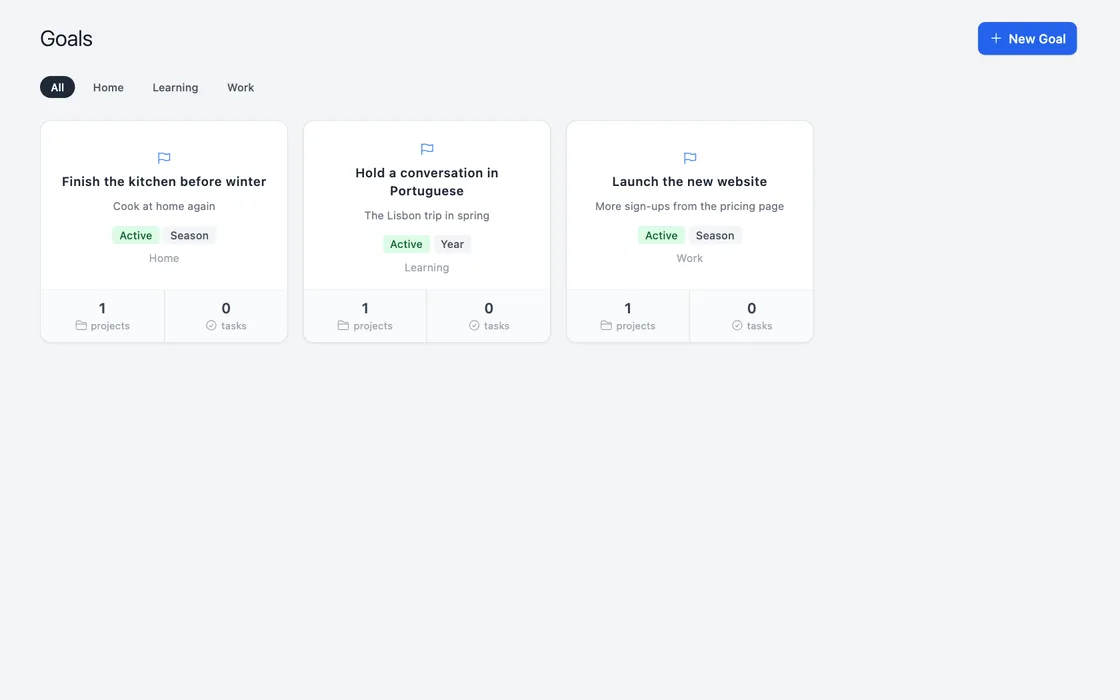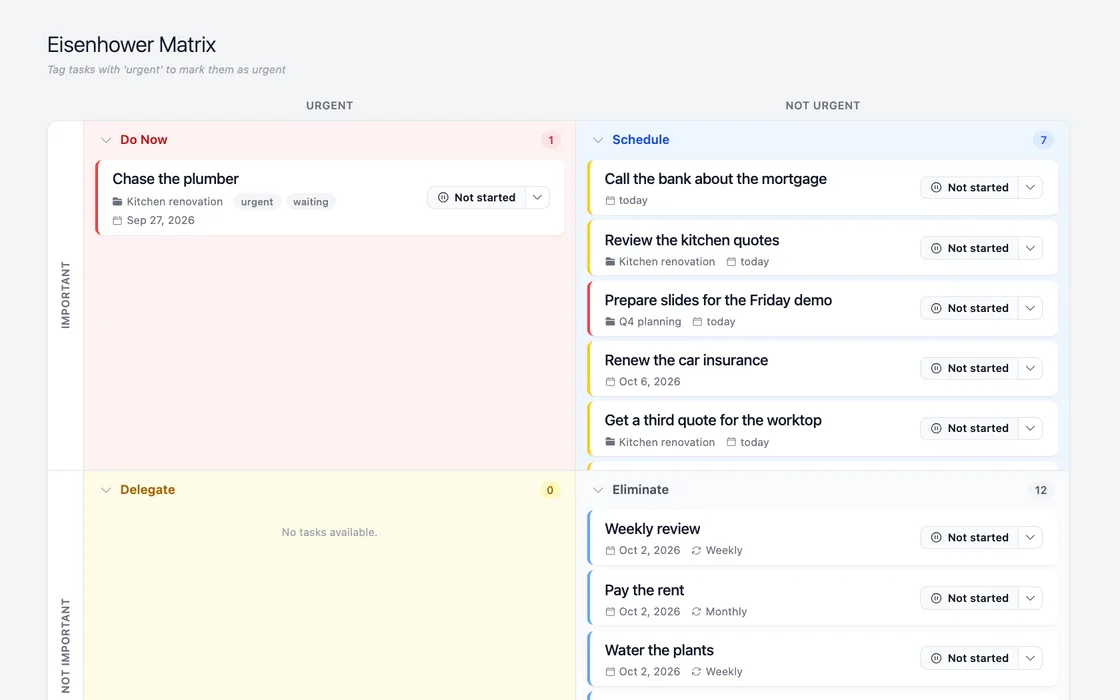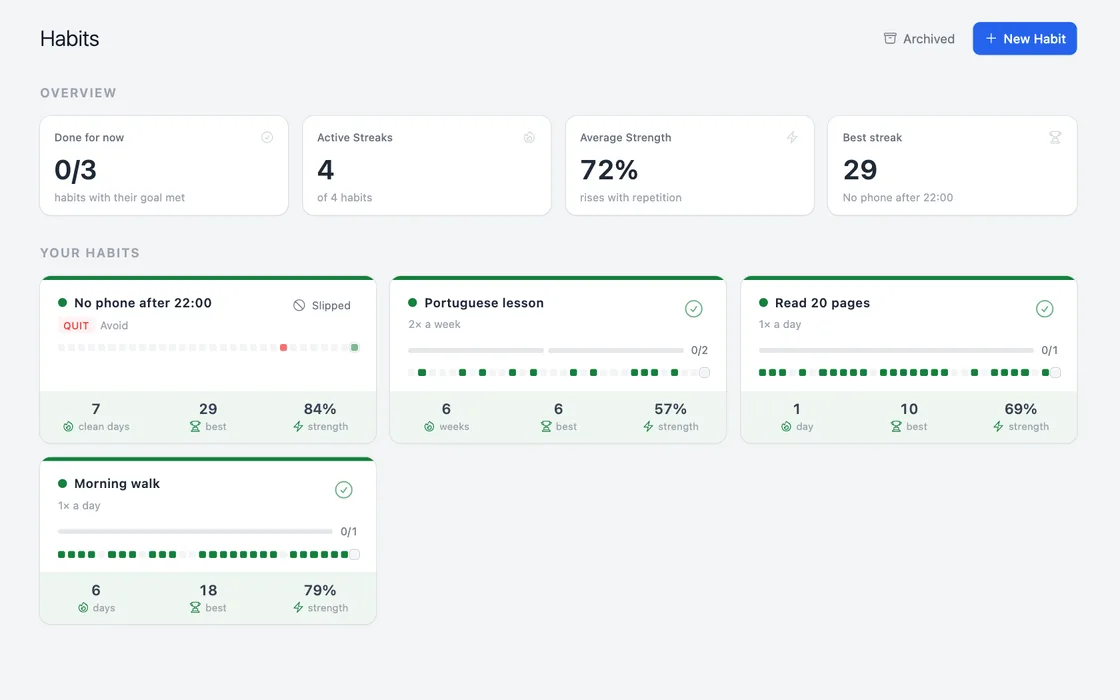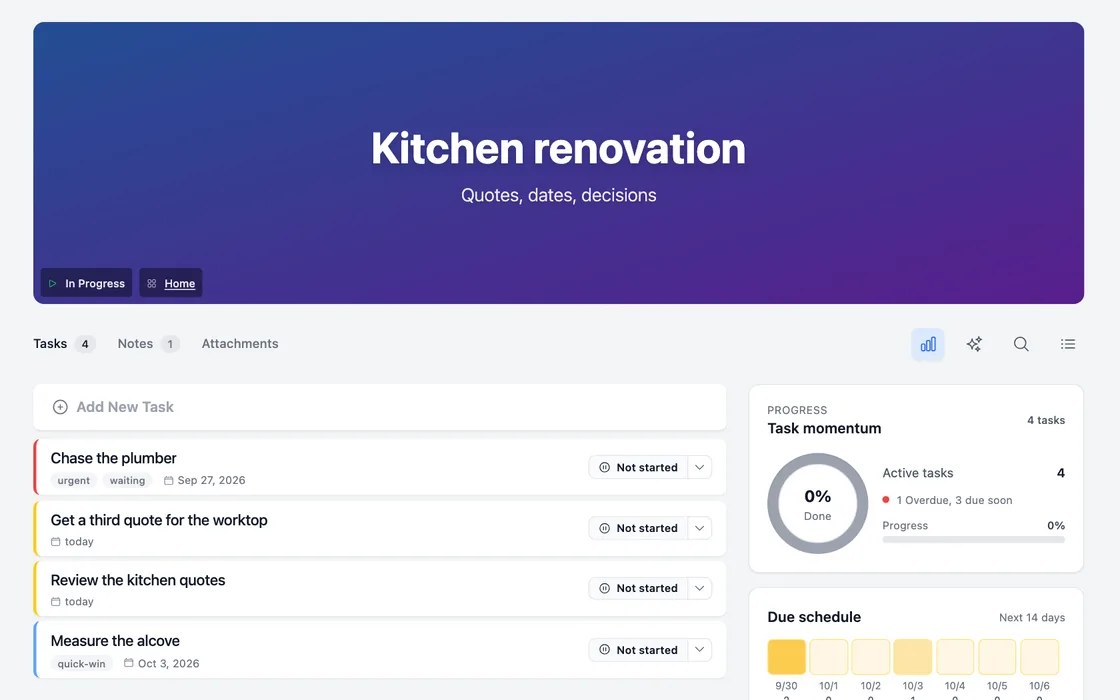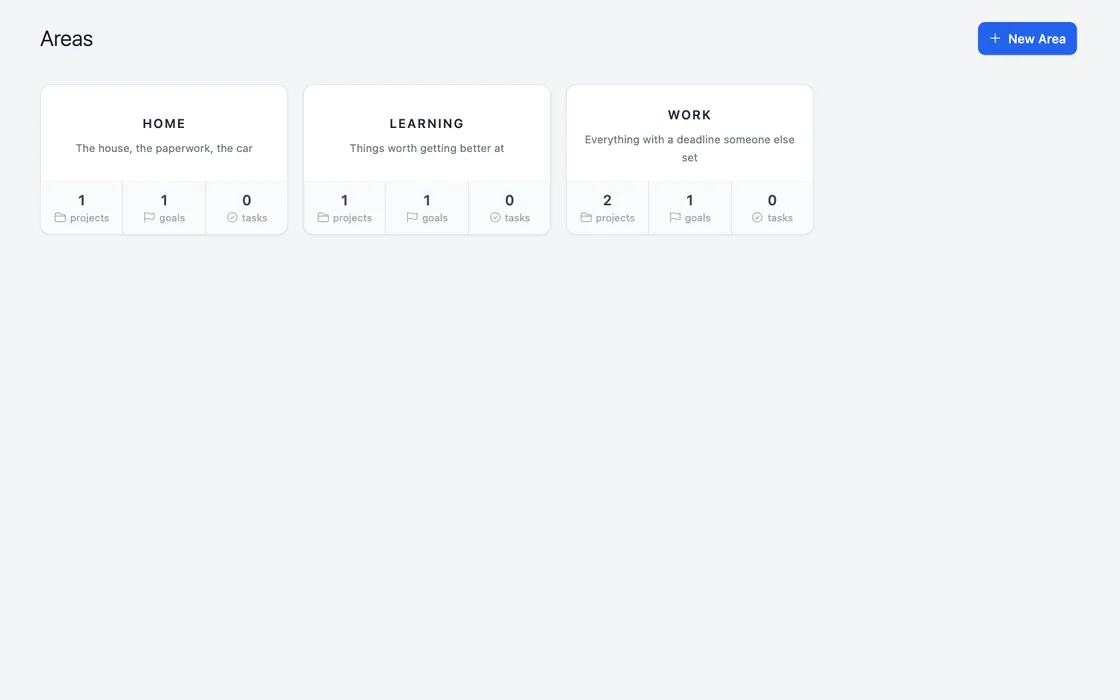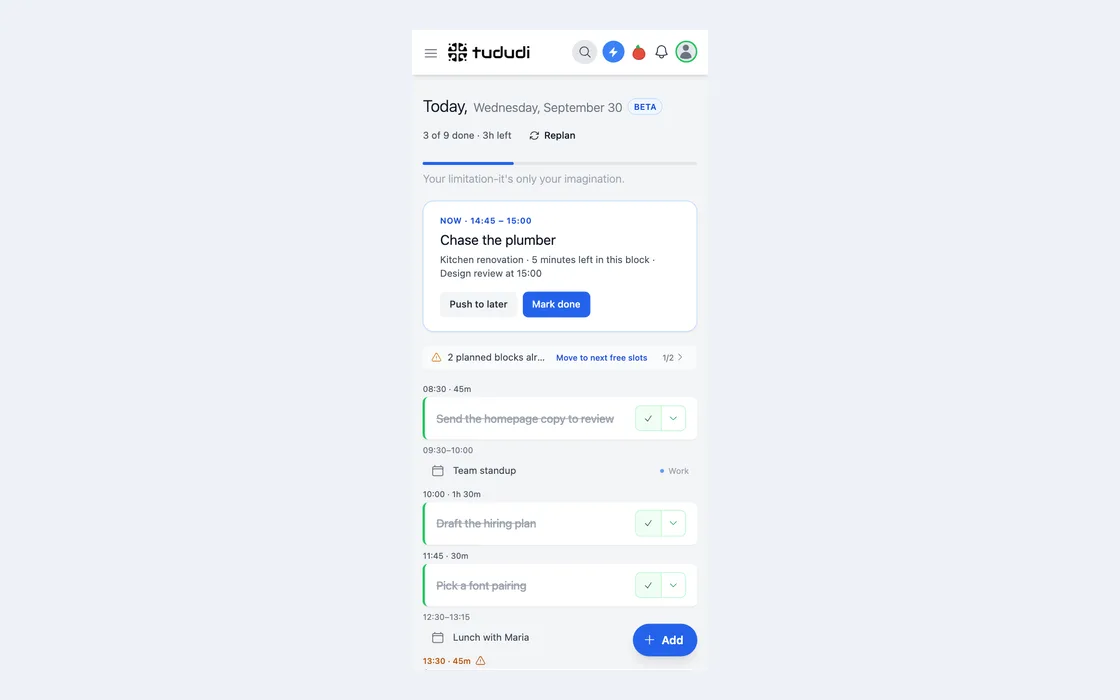
领域、目标、项目和任务,加上笔记与习惯,全都在一个系统里。可以跑在自己的硬件上,也可以把运维交给我们。
一个真实的托管实例,内含示例数据,共享使用并定期重置
MIT 许可证 · 永远开源
tududi 自带一个 MCP 服务器,开放 59 个工具,覆盖任务、项目、领域、目标、习惯、笔记、人员、标签、视图、收件箱、搜索和指标。把 Claude 或任何兼容 MCP 的智能体直接接到你的系统上。因为 tududi 跑在你自己的服务器上,连接和数据都不必离开它。这是 Todoist 和 Notion 在结构上给不了的东西,无论它们怎么承诺。
What should I focus on today, and is anything slipping?
Start with Ship the billing migration. It is due today, and three tasks in Payments are waiting behind it.
Worth knowing
Move the redesign review to Friday and add a task to unblock Payments.
Done. Review redesign draft is now due Friday, and Unblock Payments queue is in the Payments project, due today.
An example session. Your agent connects straight to your own instance over MCP.
不用离开对话,就能添加、查找和完成任务。
MCP 连接只和你自己的实例通信,不经过任何第三方。
基于开放的 Model Context Protocol 构建,可配合 Claude 及其他 MCP 客户端使用。
{
"mcpServers": {
"tududi": {
"command": "npx",
"args": ["-y", "tududi-mcp"],
"env": {
"TUDUDI_URL": "https://localhost:3002",
"TUDUDI_API_TOKEN": "your-personal-access-token"
}
}
}
}Cursor、Windsurf、Cline 以及其他任何 MCP 客户端都同样适用。 阅读 MCP 文档 →
所有档位都包含,自托管和托管版一样。
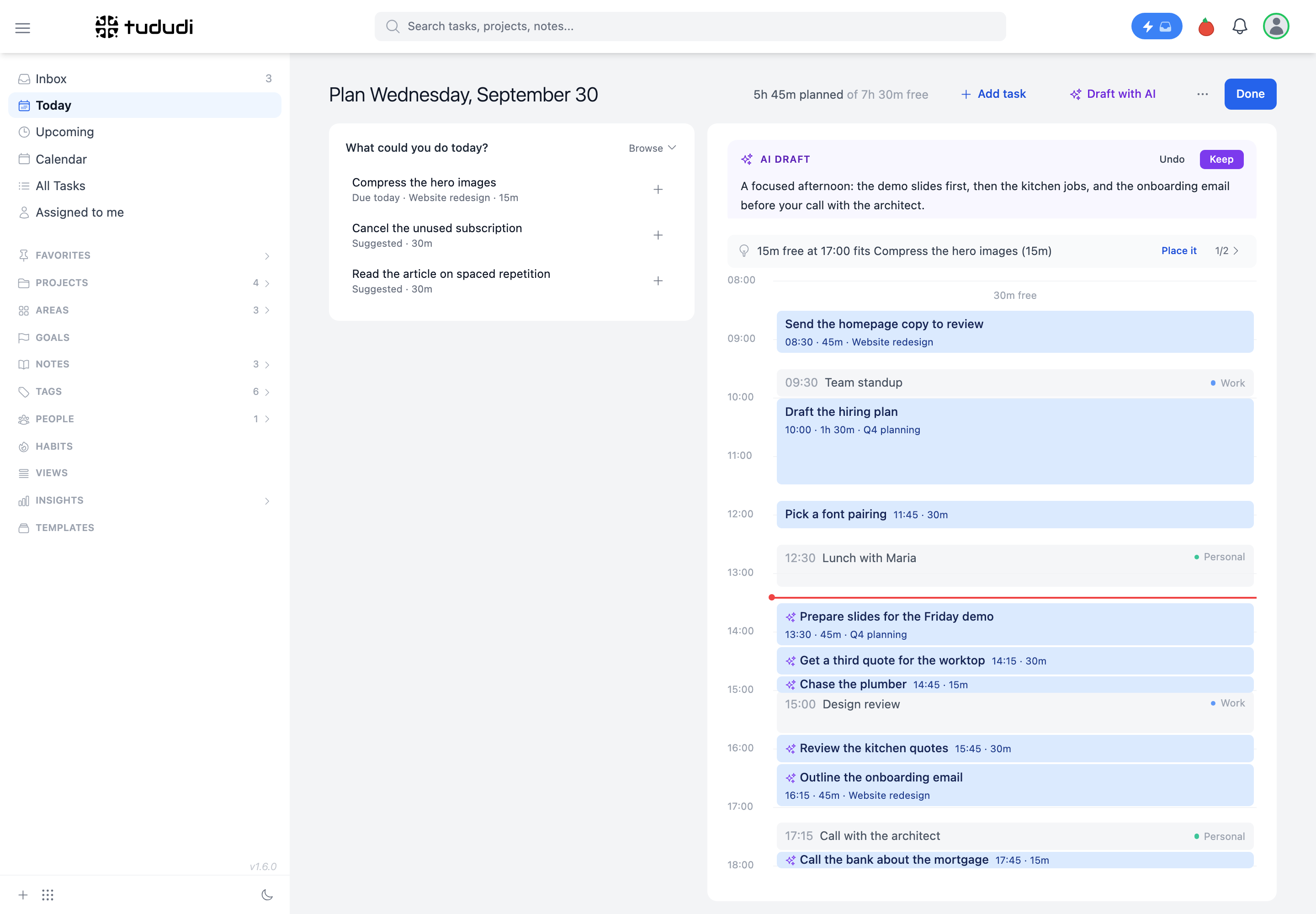
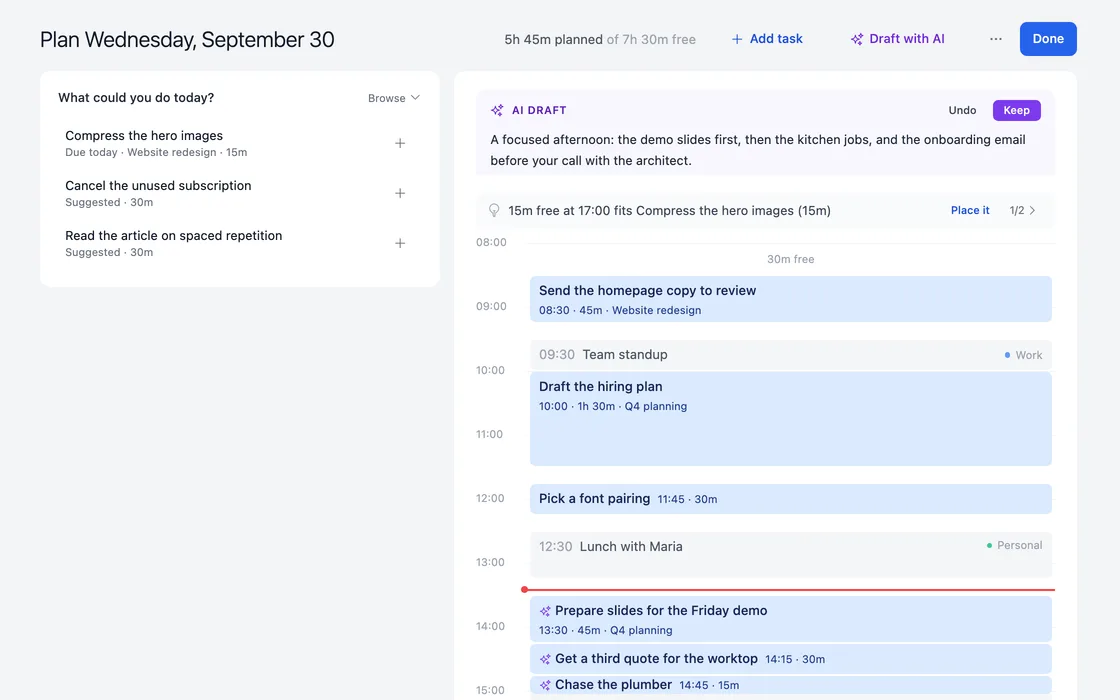
一层独立且可选的能力,读取你的数据并用平实的语言写回摘要。支持任何兼容 OpenAI 的服务商,也包括 Ollama 这类自托管方案。
早晨的一份摘要,列出你的重点任务和值得留意的风险提示。
针对某个具体任务,按需生成建议的下一步。
快速判断项目的健康状况:哪些在推进,哪些卡住了。
tududi 把目标、项目、任务、笔记和智能视图整合成一个安静、专注的系统。为重视隐私与清晰的个人和小团队而设计。
为一个季度或一年设定成果,看清哪些领域和项目真正在推动它们前进。
目标和领域并列在最上层:一个是长期成果,一个是持续存在的生活面向。两者都包含项目,项目再包含任务。
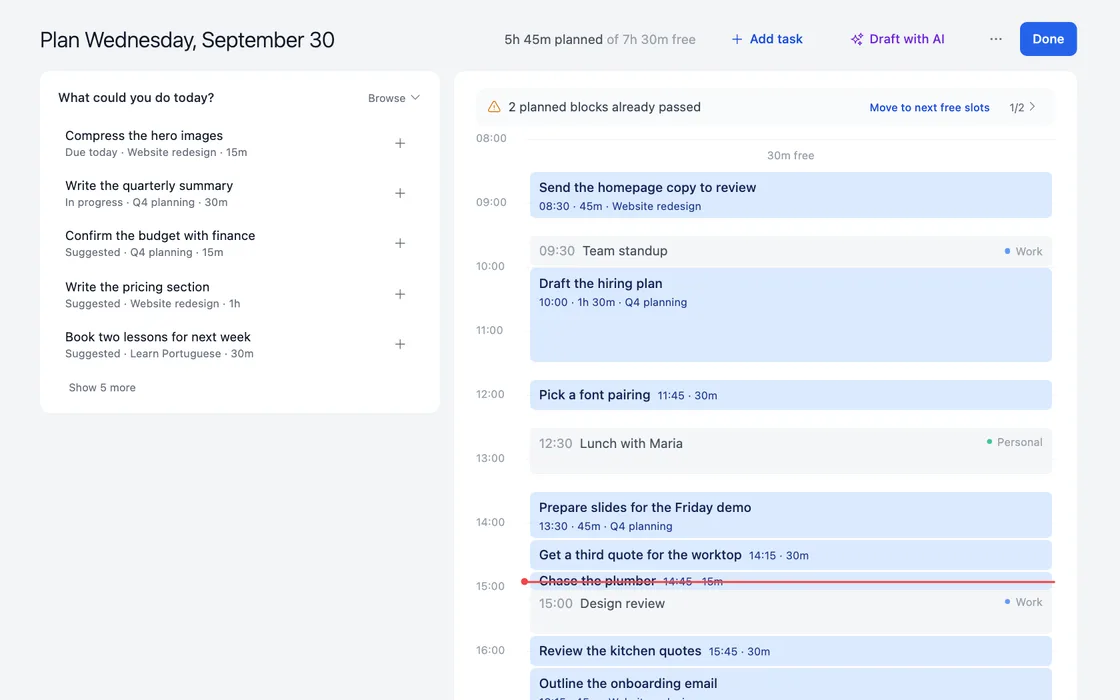
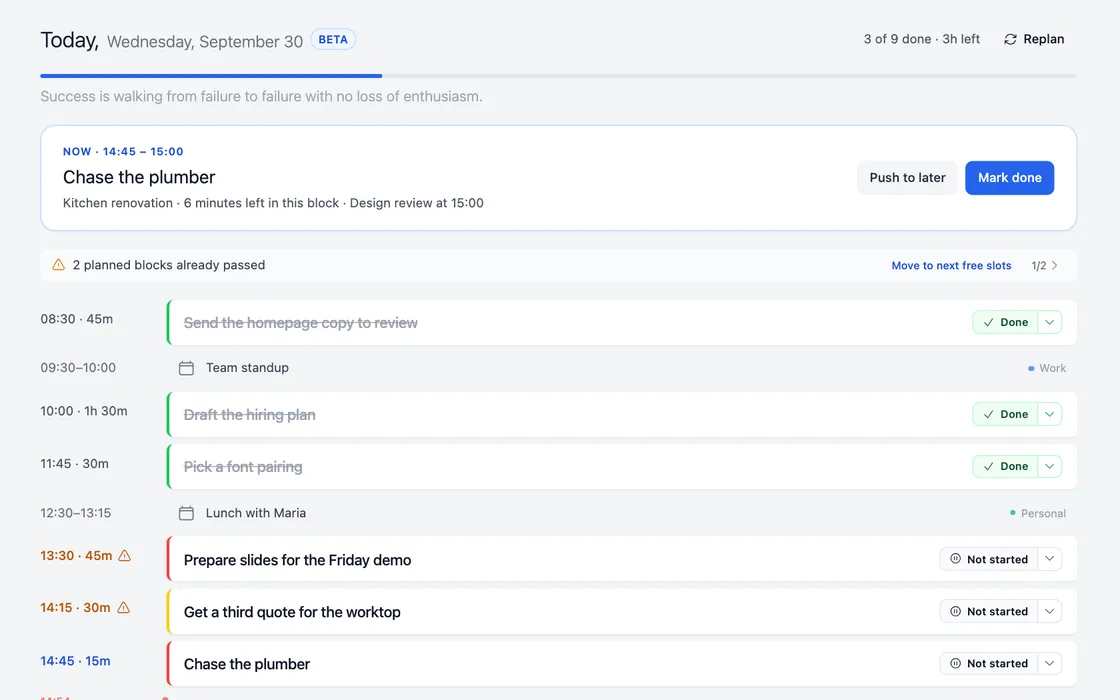
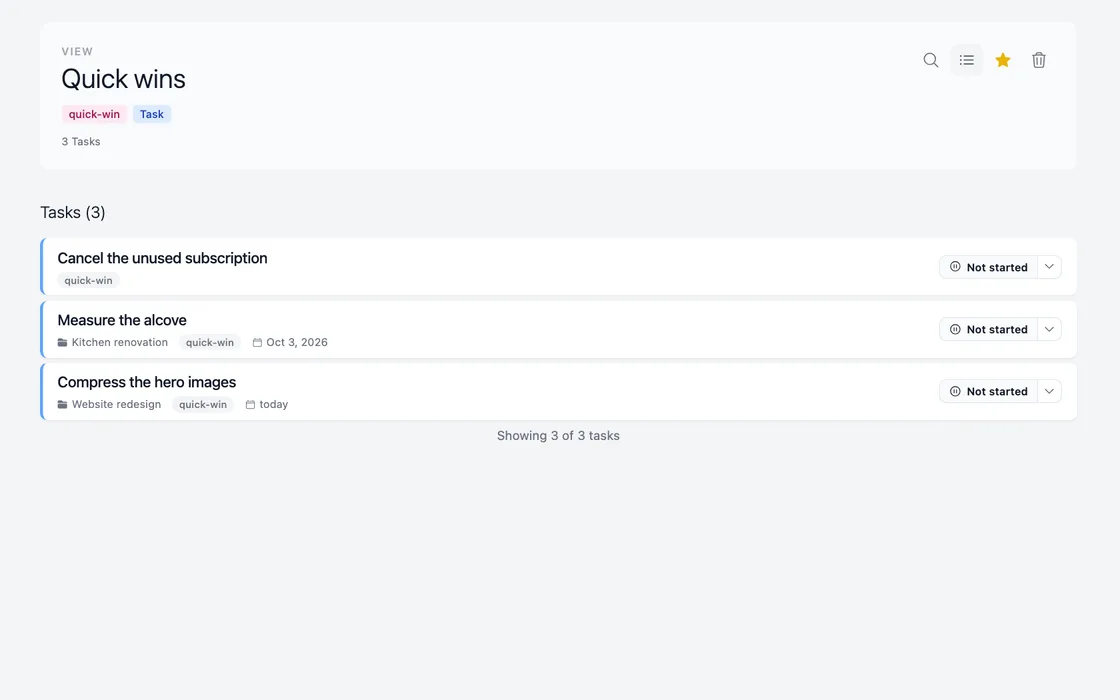
「今天」「已逾期」「将来某天」这类智能保存搜索。一次点击,不必每回都重新搭一遍筛选条件。
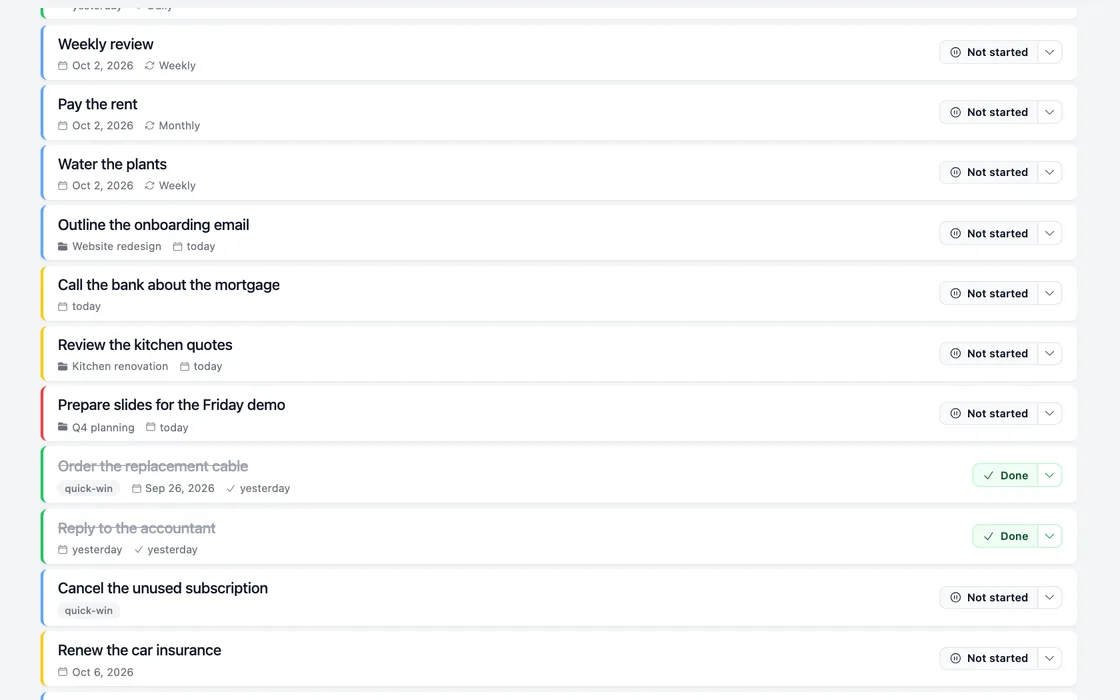
支持每日、每周、每月的模式,可按完成时间重复,并支持父子任务关系。
把复杂任务拆成可执行的子任务,并跟踪完成进度。
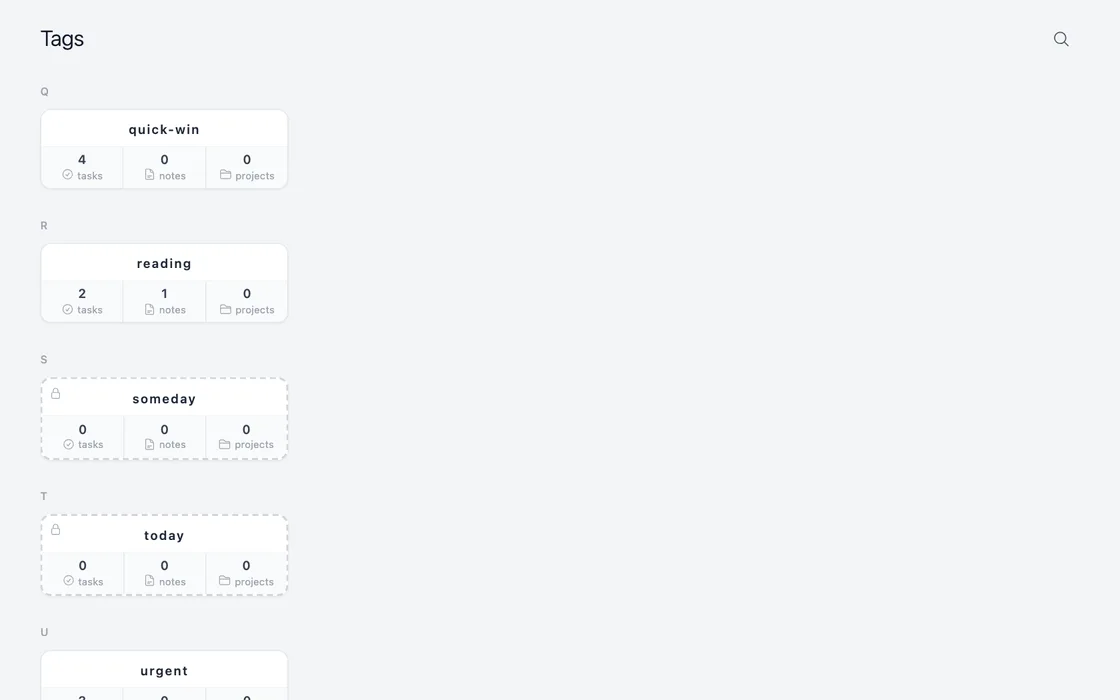
为任务和笔记设置自定义标签,即时筛选,并可跨项目整理。
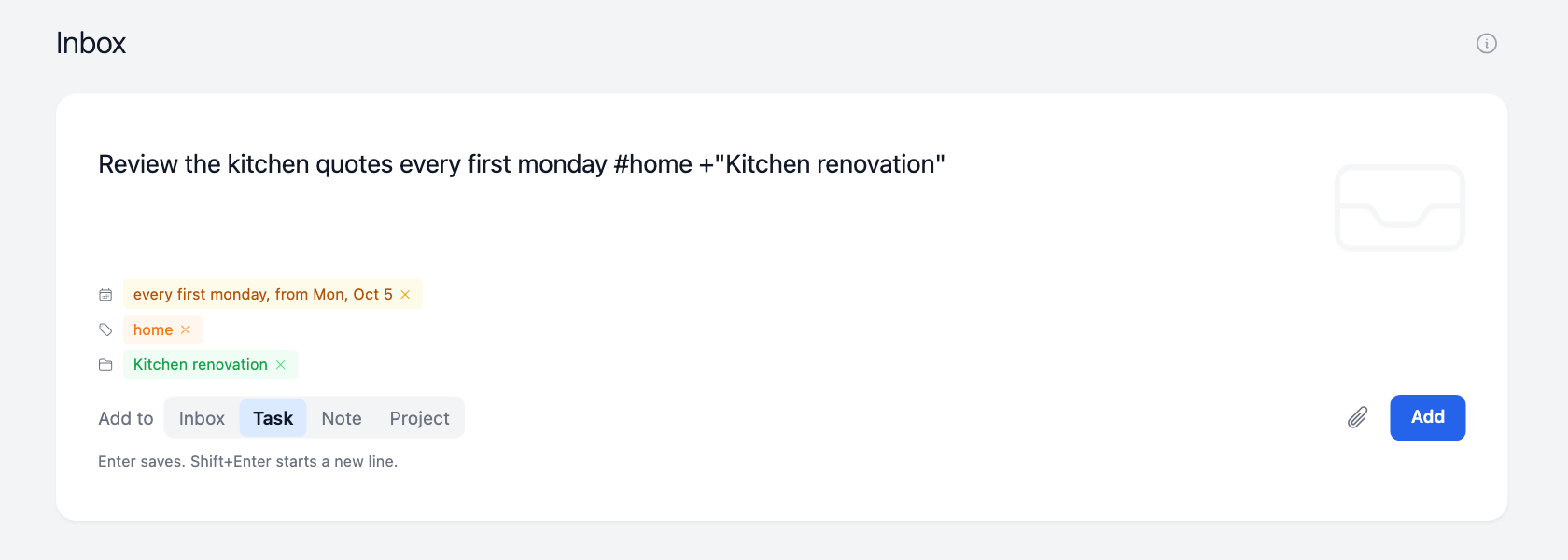
发一条消息即可即时记录任务,接收每日摘要,随时随地打理你的清单。
让数据保持私密。想要完全掌控就自托管,也可以选择带加密备份的托管实例。
按生活领域组织项目——工作、个人、健康、学习。
当问题只剩下「现在该做什么」时,切换到艾森豪威尔矩阵或看板视图。
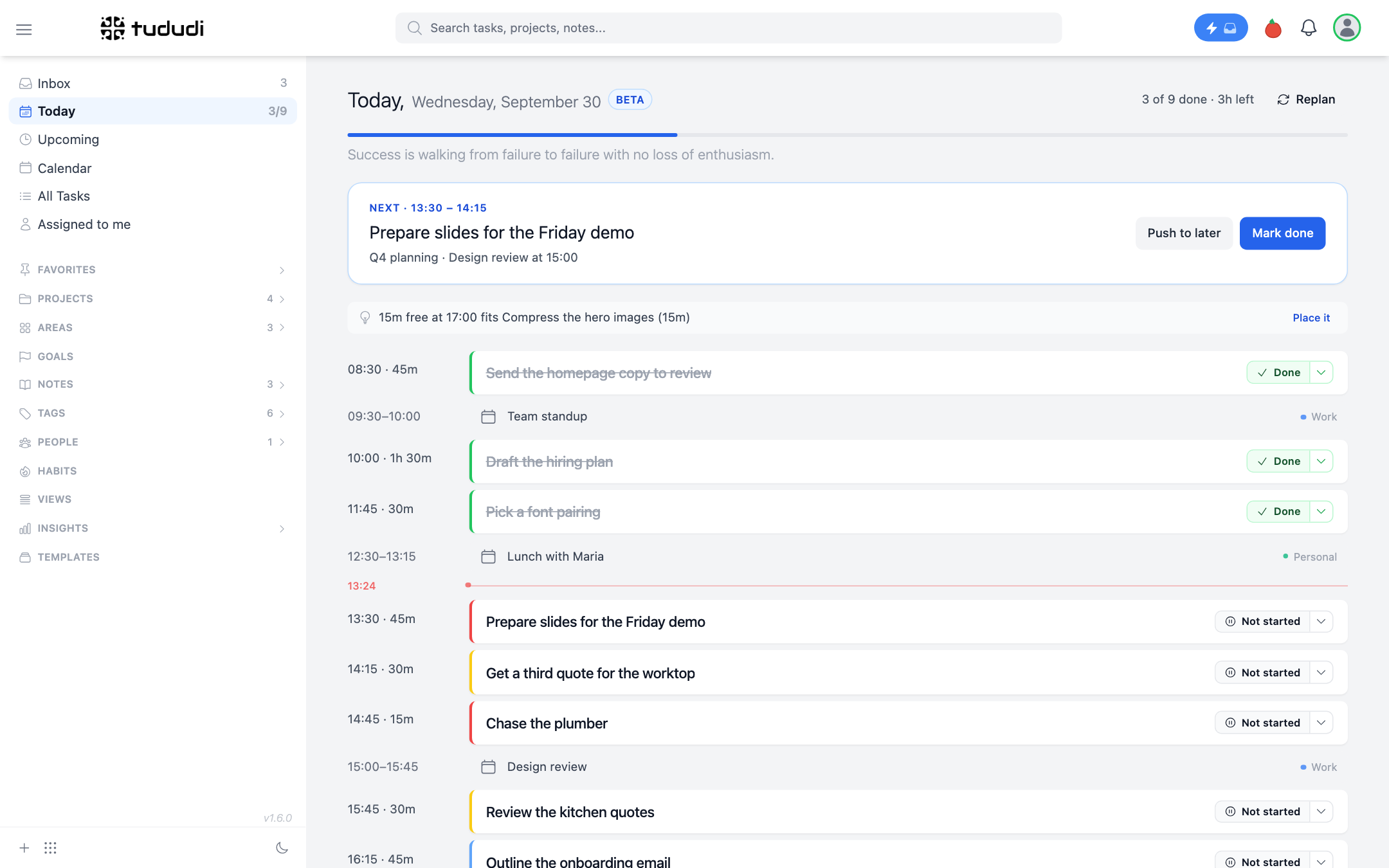
自动归类:今天的优先事项、临近的截止日期,以及留到将来的任务。
查看跨项目的完成趋势和工作量,弄清时间到底花在了哪里。
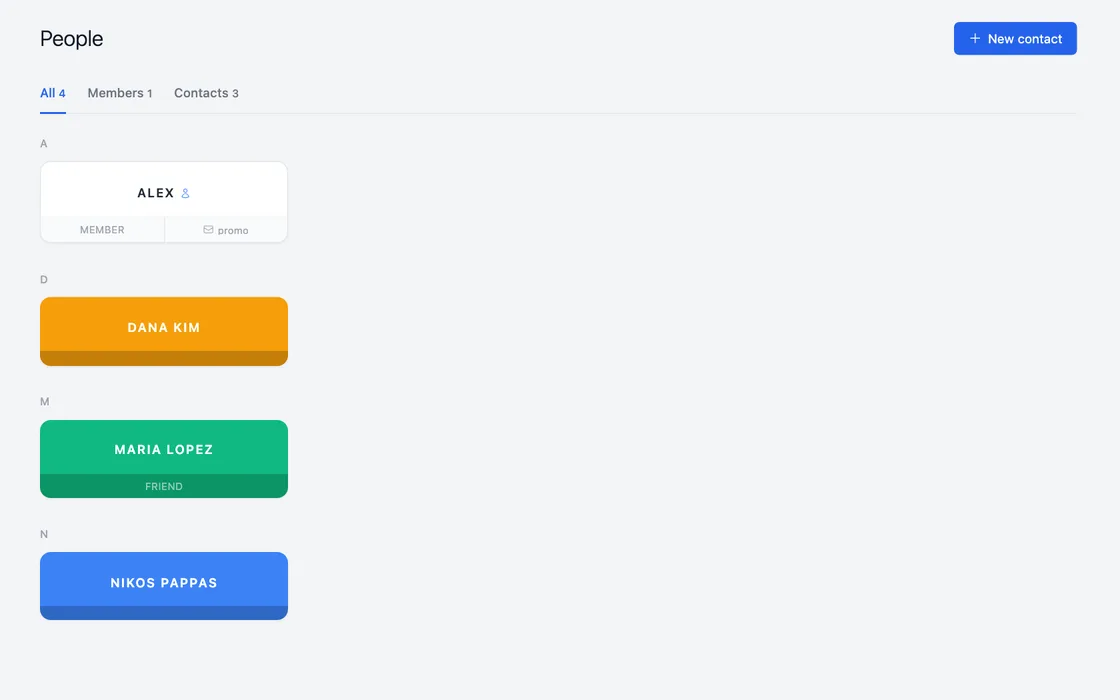
把任务指派给具体的人,一眼看清谁参与了这个项目。
在任务和项目之外追踪重复性习惯,附带简洁的连续记录和历史。
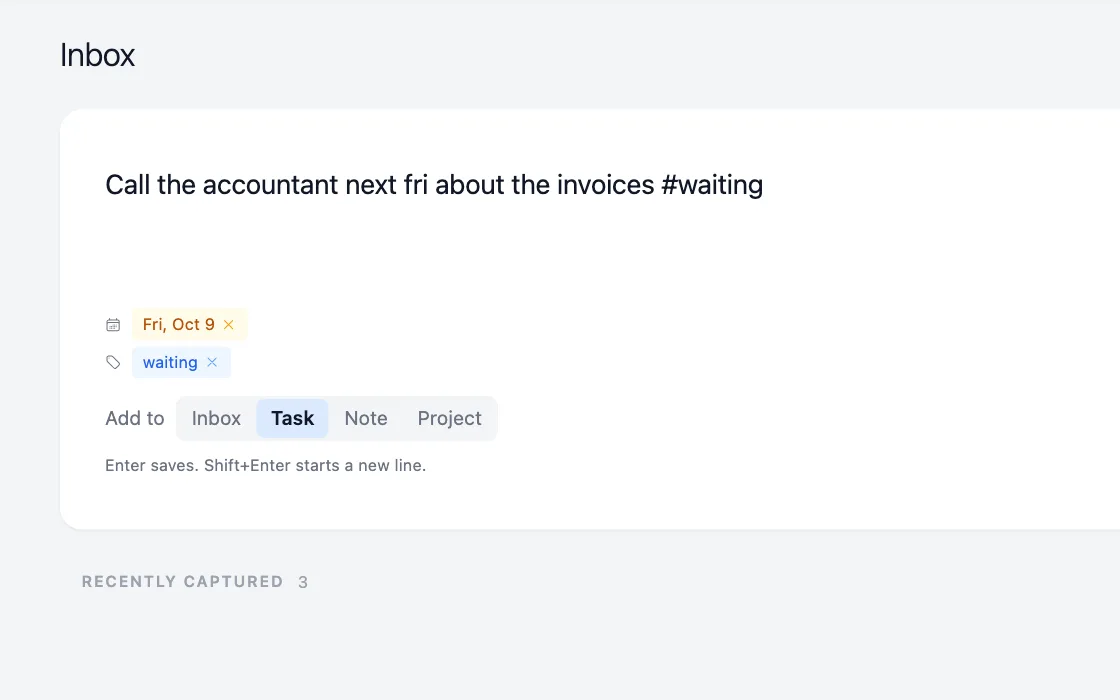
优先级、到期日、标签和智能排序。强大的筛选,帮你找到真正重要的事。
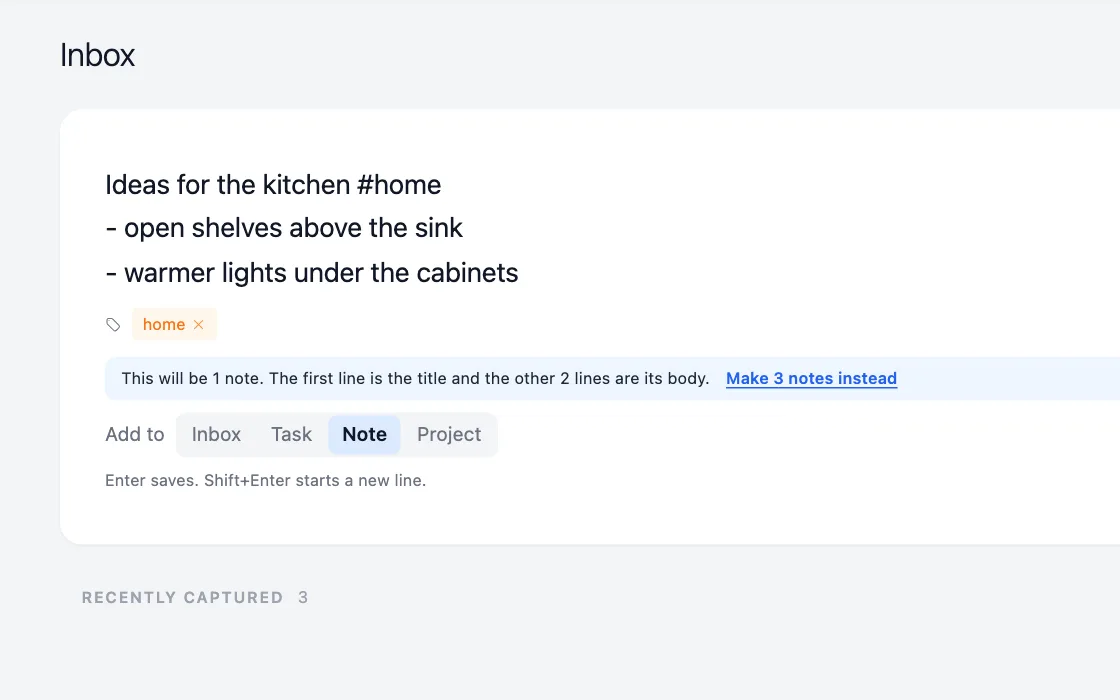
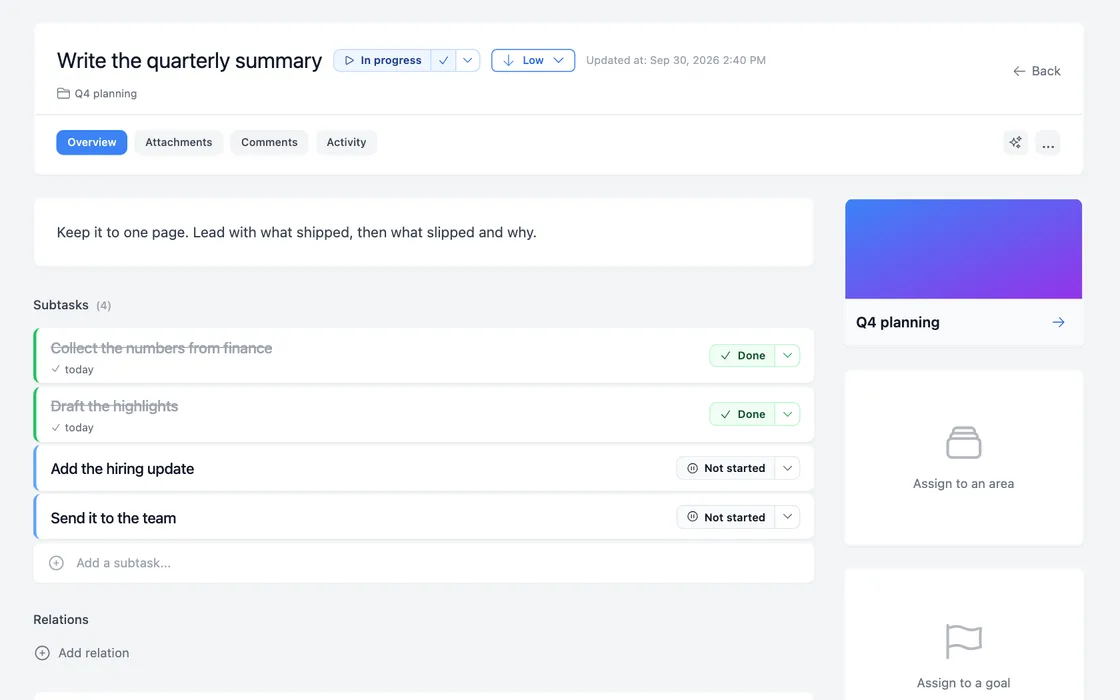
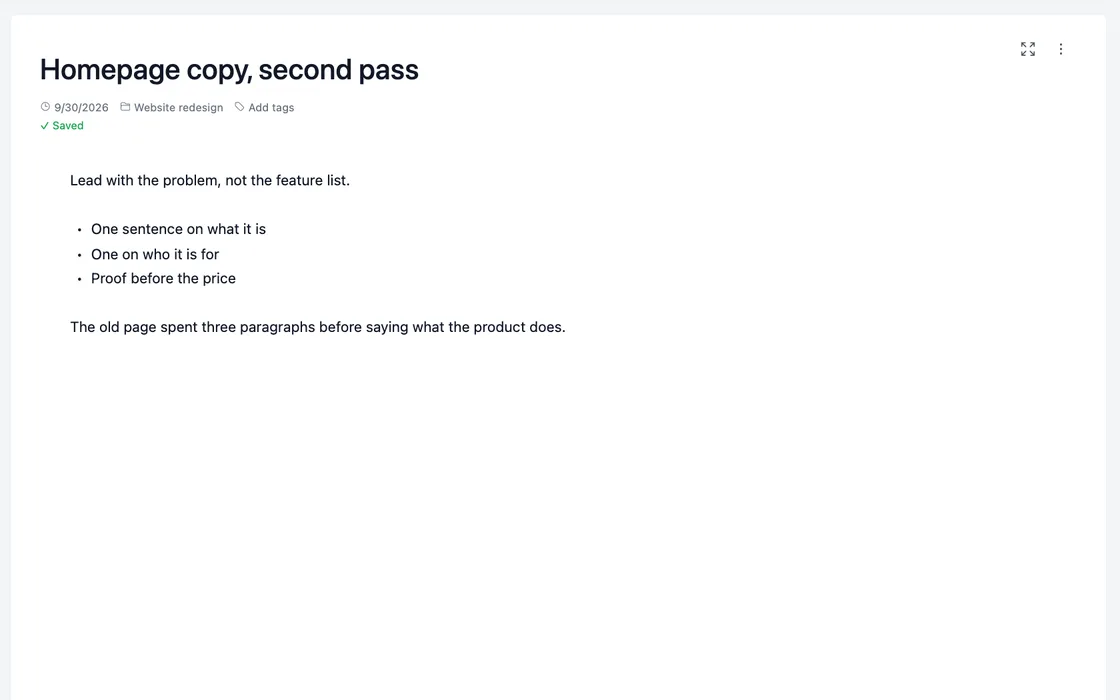
为项目准备的富文本笔记,具备完整的搜索和整理能力。
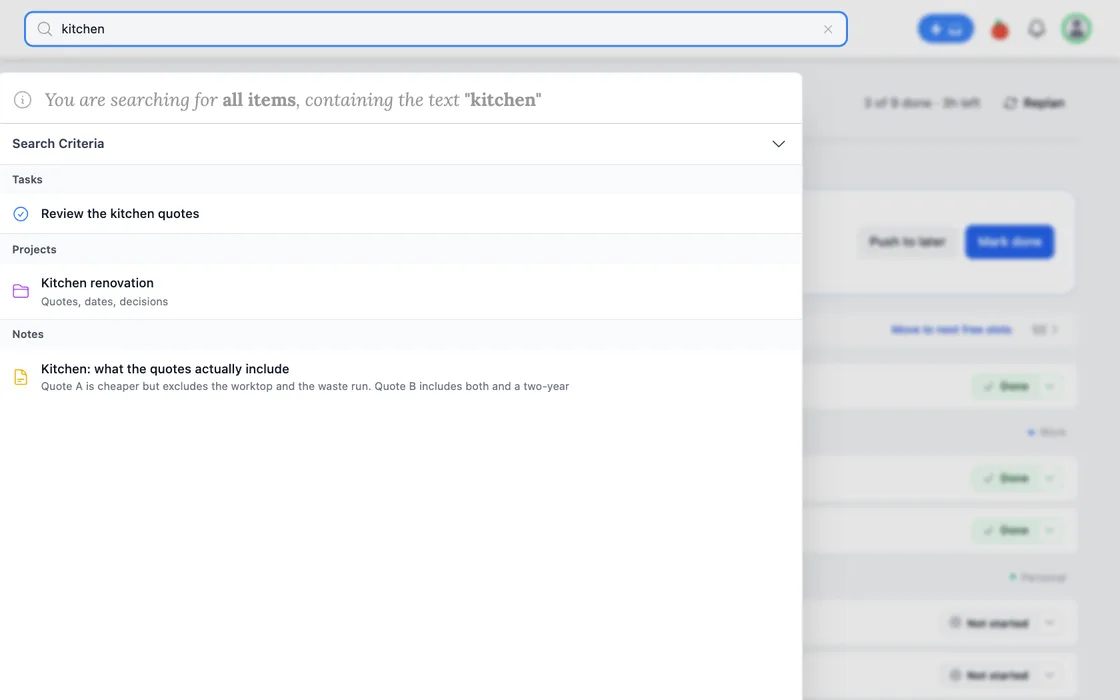
全文搜索,外加按项目、标签、优先级或到期日筛选。几秒钟找到任何一条任务。
把 tududi 以 PWA 形式添加到主屏幕或桌面。可离线使用,恢复联网后自动同步。
用你现有的身份提供方登录:Authentik、Keycloak、Google Workspace,或任何兼容 OIDC 的提供方。
提供 25 种语言,本地化完整。
与 Apple 提醒事项、tasks.org、Thunderbird 以及任何兼容 CalDAV 的应用双向同步任务。
带版本的 Swagger 文档,以及用于自定义集成的个人访问令牌。
从宽屏桌面到口袋里的手机,布局都能干净地适配。
以细粒度权限共享项目——只读,或可读可写。
免费、开源、开箱即用支持 Docker。数据完完全全属于你。
用 Docker 几分钟就能上线
docker pull chrisvel/tududi:latestdocker run \
-e TUDUDI_USER_EMAIL=you@example.com \
-e TUDUDI_USER_PASSWORD=yourpassword \
-e TUDUDI_SESSION_SECRET=$(openssl rand -hex 64) \
-v ~/tududi_db:/app/db \
-p 3002:3002 \
-d chrisvel/tududi:latesthttp://localhost:3002评测者亲自运行 tududi 后写下的评价。
Tududi stands out as a breath of fresh air among over-engineered and often expensive productivity tools.
Tududi is an immensely useful tool, and one that is easy to integrate into day-to-day workflow.
A free, open-source application that allows you to efficiently categorize and track your work, from personal task management to large-scale project management and detailed note-taking.
一套系统,三种运行方式
tududi 基于 MIT 协议开源,商业使用本来就免费。这里买的是优先支持、响应时效承诺和一张发票。
发邮件至 licensing@tududi.com →随时可以取消,并导出全部数据。万一托管服务日后关停,我们会把数据交给你,并附上迁移到自托管的指南。存储空间和 API 用量适用合理使用原则。30 天无理由退款保证。
三种方式都能给你完整的 tududi 系统
准备好运行属于自己的系统了吗?
自托管 tududiThe licence, the AI, and what happens to your data. If something is missing, ask in Discord.
tududi is open source under the MIT licence. You can run it, modify it, and build on it without paying anyone. There are no seat counts, no usage limits, and no features held back for a paid tier: the self-hosted version is the whole product. The paid options on this page sell hosting and support, not access.
Yes, and you do not need to buy anything first. The MIT licence permits commercial use, including inside a business and inside a commercial product, with no revenue threshold and nothing to report. If your organisation needs a support commitment or an invoice for its procurement process, that is what the Business Licence is for. It buys priority support, a response commitment, and paperwork, not permission.
Yes. It is built primarily by one maintainer, with contributions from the community, and it ships often. Every release is listed on the GitHub releases page, linked from the Changelog in the menu above, so you can judge the pace yourself rather than take our word for it. Development happens in the open: issues, a public roadmap, and a Discord where questions get answered.
The app is MIT licensed and the source is public, so it cannot be withdrawn from you. Anyone can keep running it, and you can fork it. For Managed instances, your data lives in a standard tududi database that is not in a proprietary format; if the Managed service ever shut down, you would get your data and a guide to moving it onto your own server.
Docker and somewhere to run it. You pull the image, run the container, and mount a directory for the database. It is comfortable on a small VPS or a machine on your own network, and the exact commands are in the Self-Host section above and in the docs.
Everything lives in a single SQLite database file inside the volume you mounted. Backing it up is copying that file somewhere safe, and restoring it is copying it back. tududi also snapshots the database automatically before it applies migrations, keeping recent copies. There is no proprietary format and no export step standing between you and your own data.
Yes. A single instance can host multiple users, and projects can be shared with read-only or read-write access, which the tasks and notes inside them inherit. Self-registration is off by default, so an admin either creates accounts or deliberately opens sign-ups. Nobody gets in because you forgot to close a door.
Yes, and that is the normal way to run it. Set TUDUDI_TRUST_PROXY so the app trusts the forwarded headers from nginx, Caddy, or Traefik. If you skip it, logins and IP logging behave strangely in ways that are hard to diagnose, so the app raises a specific error rather than failing quietly. The accepted values are documented in the README.
That depends which of the two layers you mean, and the difference matters. The MCP server runs inside your own instance: an agent such as Claude Desktop connects to your server, so the connection and your data stay where you put them. The AI Assistant is different. It calls an OpenAI-compatible provider, so if you point it at a hosted one, the contents of those requests go to that provider. Point it at a local model instead, such as Ollama or LM Studio, and nothing leaves your machine. It stays off until you supply a key, so this is always your choice rather than a default.
MCP is the Model Context Protocol, an open standard for connecting AI agents to real systems. tududi ships an MCP server exposing 59 tools spanning tasks, projects, areas, goals, habits, notes, people, tags, views, inbox, search and metrics, so an agent can capture, find, update and finish work rather than just talk about it. It is opt-in, and it works with Claude Desktop, Cursor, Windsurf, Cline, or any other MCP client.
You are paying to not run it. Managed gives you a container and database isolated from every other user, updates applied for you, and support with a response commitment. If you already run Docker and a reverse proxy, self-hosting is genuinely the better deal and we would rather you did that. Managed exists for people who want the system without becoming its sysadmin.
Instances that go unused for about half an hour are paused, and start again by themselves the next time you open yours. Usually that shows up as a slightly slower first load. Occasionally it takes long enough that you will see a short "waking up" page and can retry. Your data is untouched either way: pausing stops the container, it does not delete anything.
留下邮箱,早期访问开放时我们会发出邀请,有新东西上线也会告诉你一声。不发垃圾邮件,一键即可退订。
我们只保存你的邮箱地址和提交日期,用来给你发送版本更新说明,别无他用。我们从不将它分享给任何人。