Zapisuj wszystko, planuj dzień z AI wokół kalendarza i trzymaj obszary, cele, projekty, notatki i nawyki w jednym systemie. Załóż konto Cloud w minutę.
Bezpłatnie przez 14 dni, bez karty. Potem miesięcznie lub rocznie, rezygnacja w każdej chwili.
Zapisuj rzeczy, gdy tylko się pojawią, zaplanuj dzień wokół spotkań z pomocą AI i działaj blok po bloku.
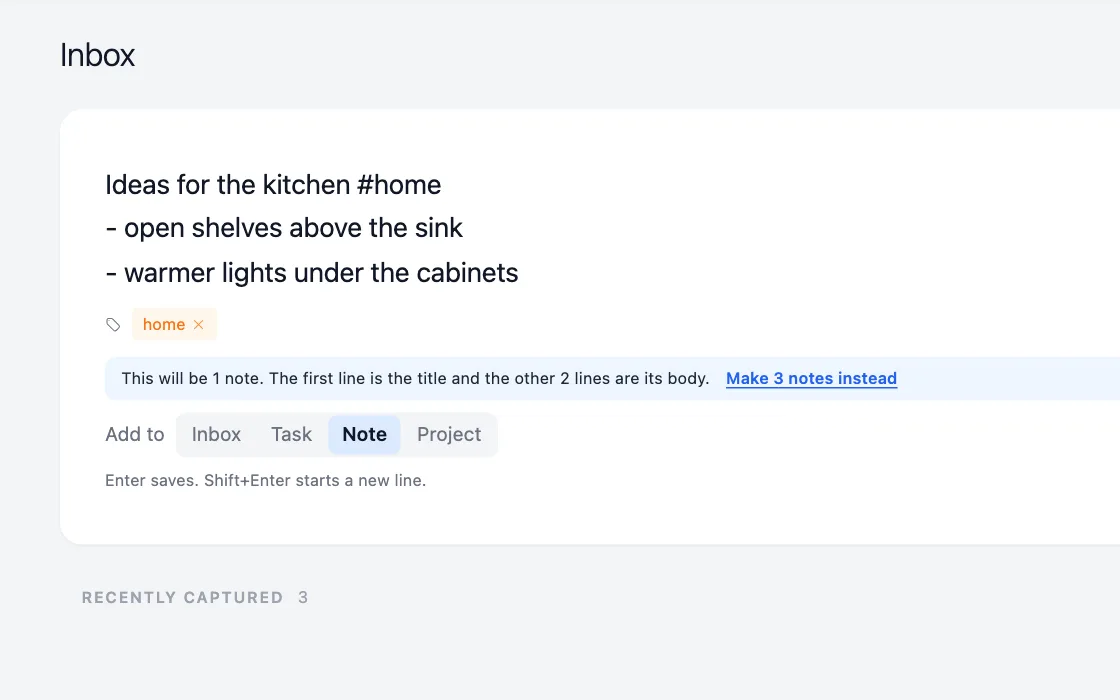
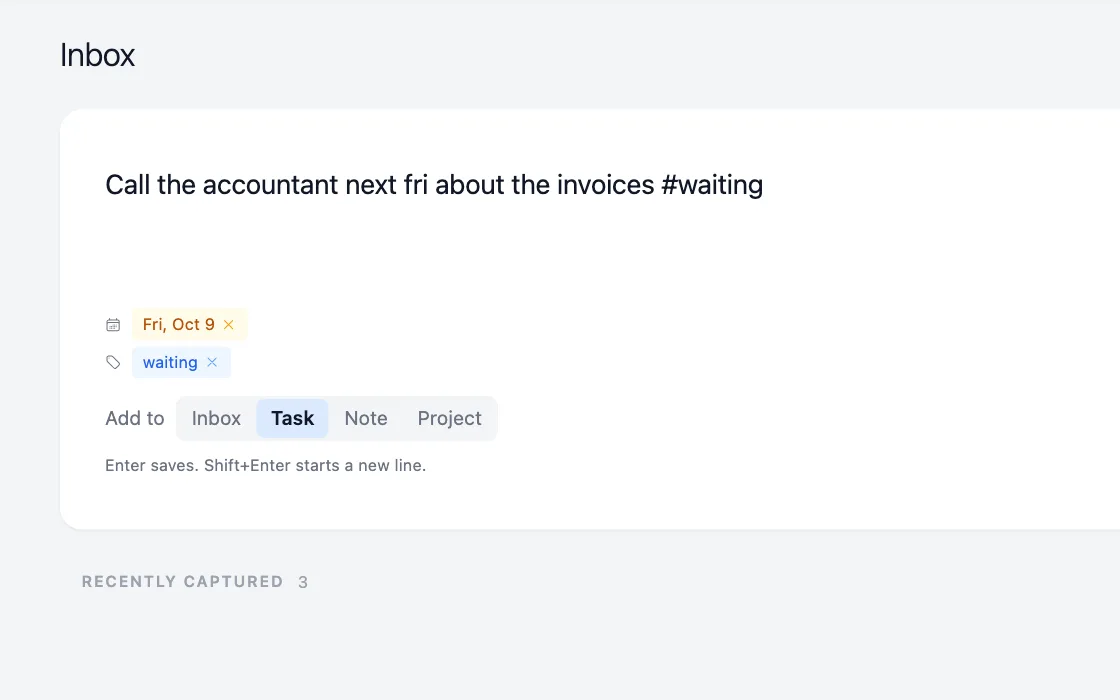
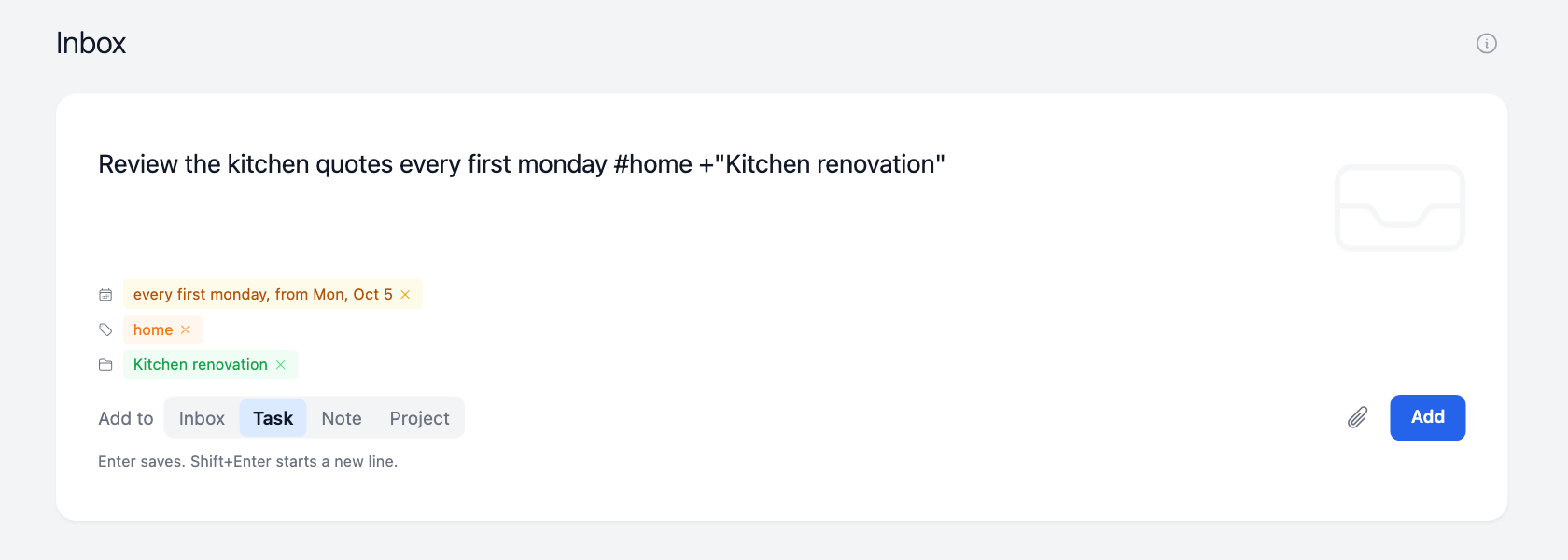
Jedno pole dodawania dla skrzynki, zadań, notatek i projektów, w całej aplikacji. Pisz tak, jak myślisz, a tududi uzupełni resztę.
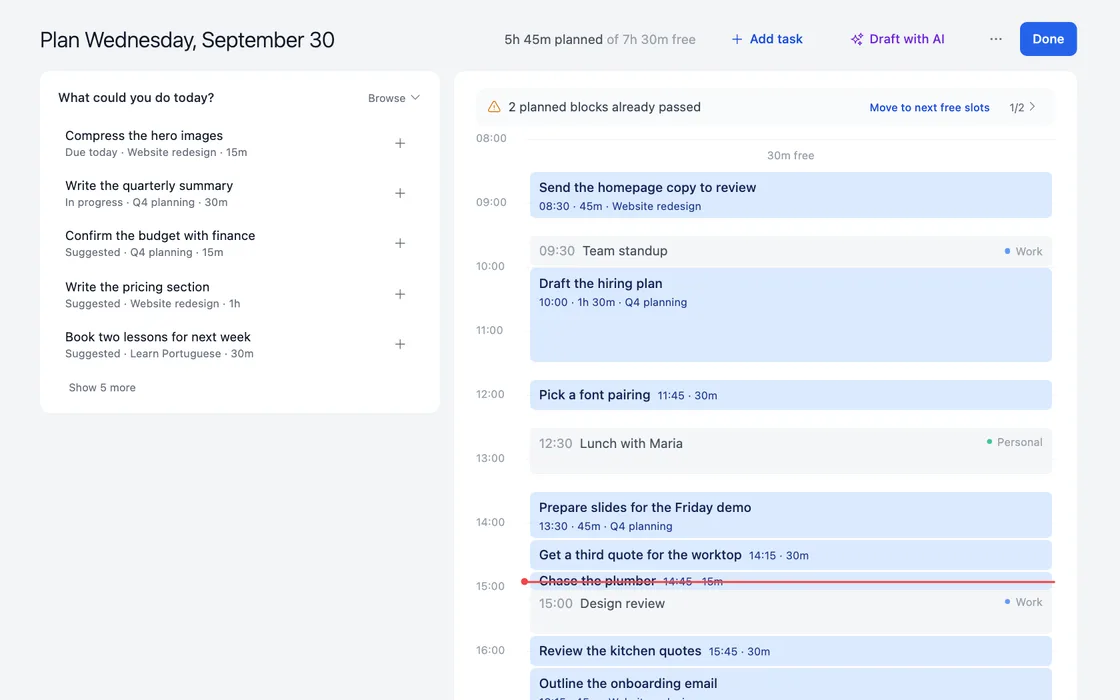
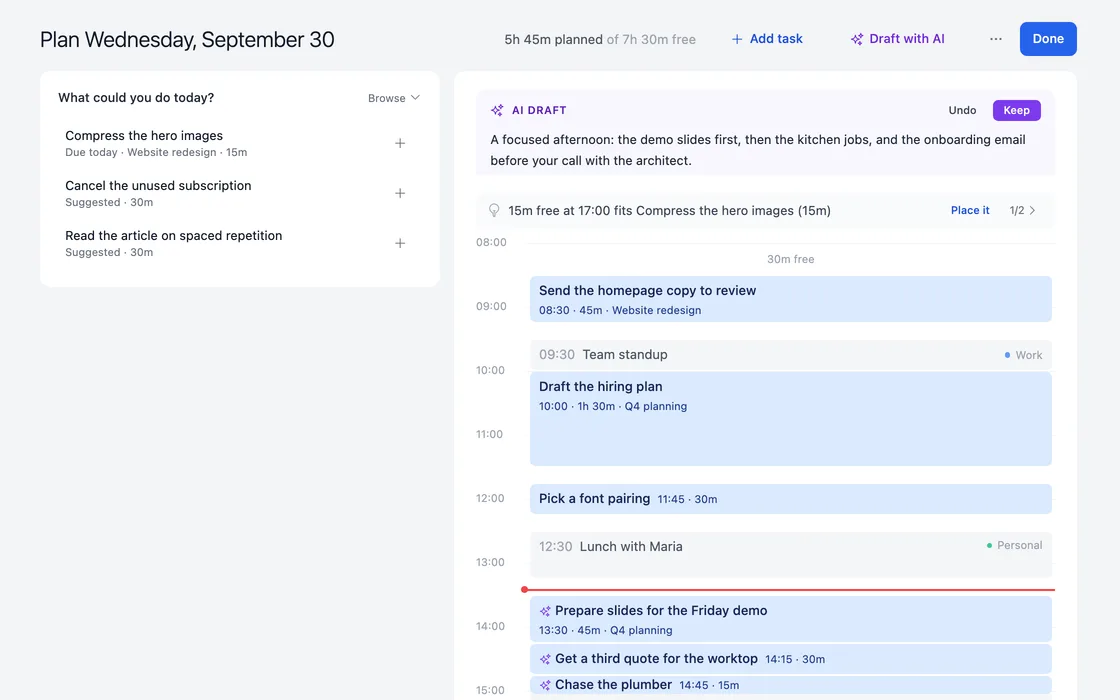
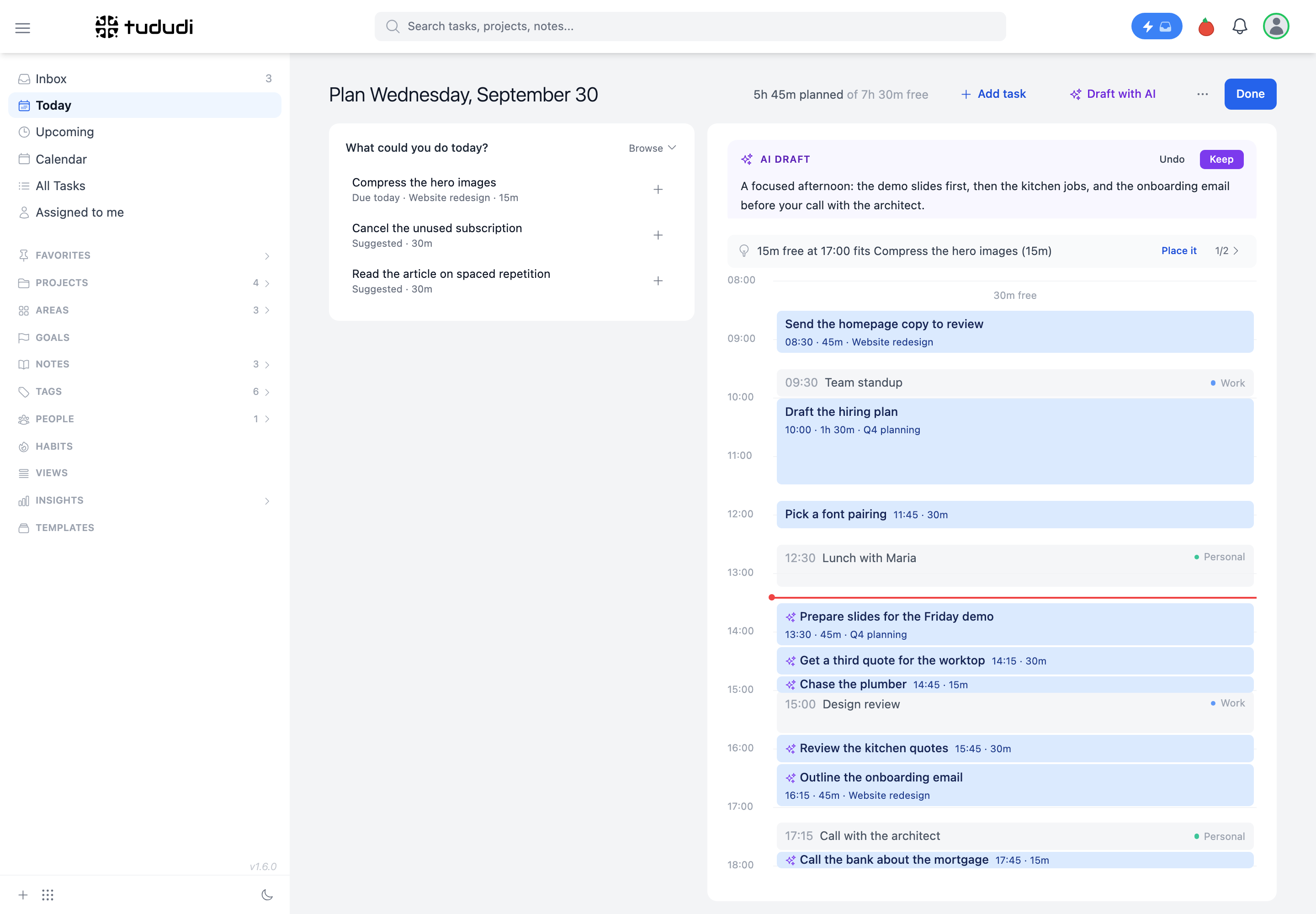
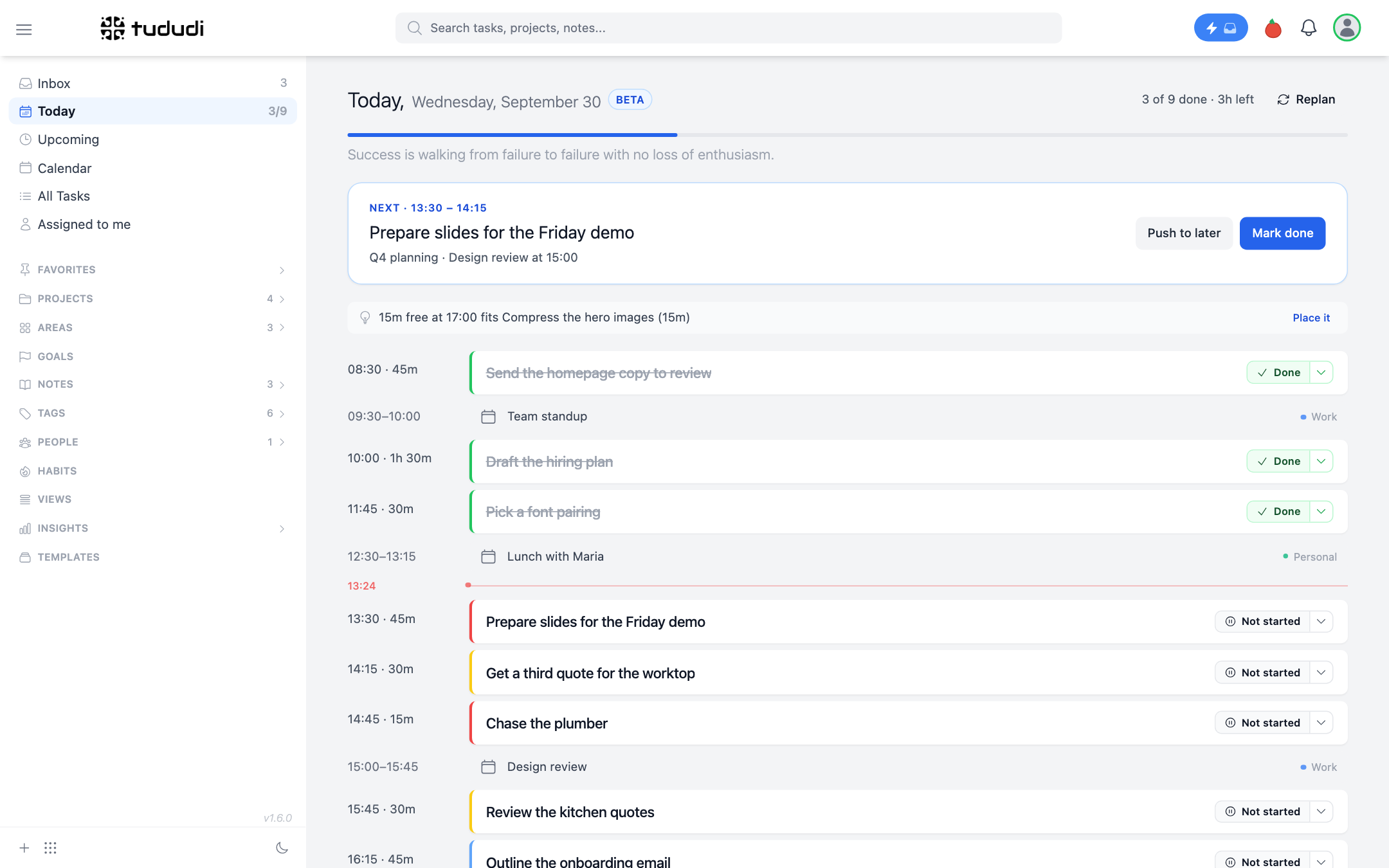
Planer pokazuje, co zmieści się dziś, w wybranej przez ciebie kolejności. Nadaj zadaniom czas trwania i umieść je w wolnym czasie między spotkaniami albo pozwól AI przygotować cały dzień.
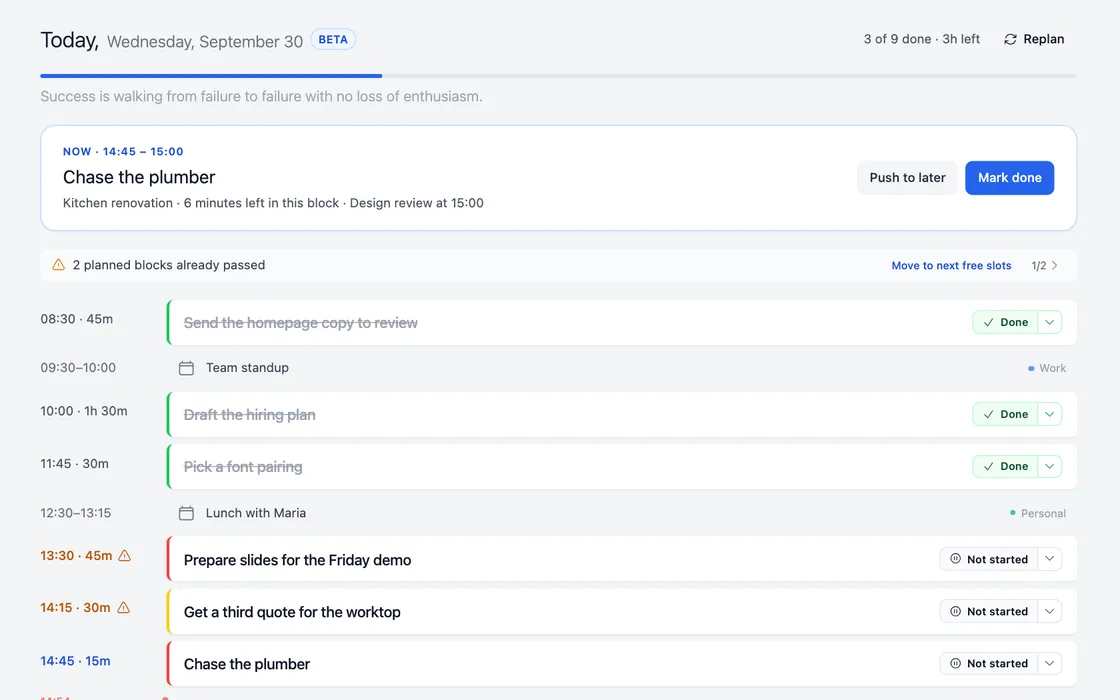
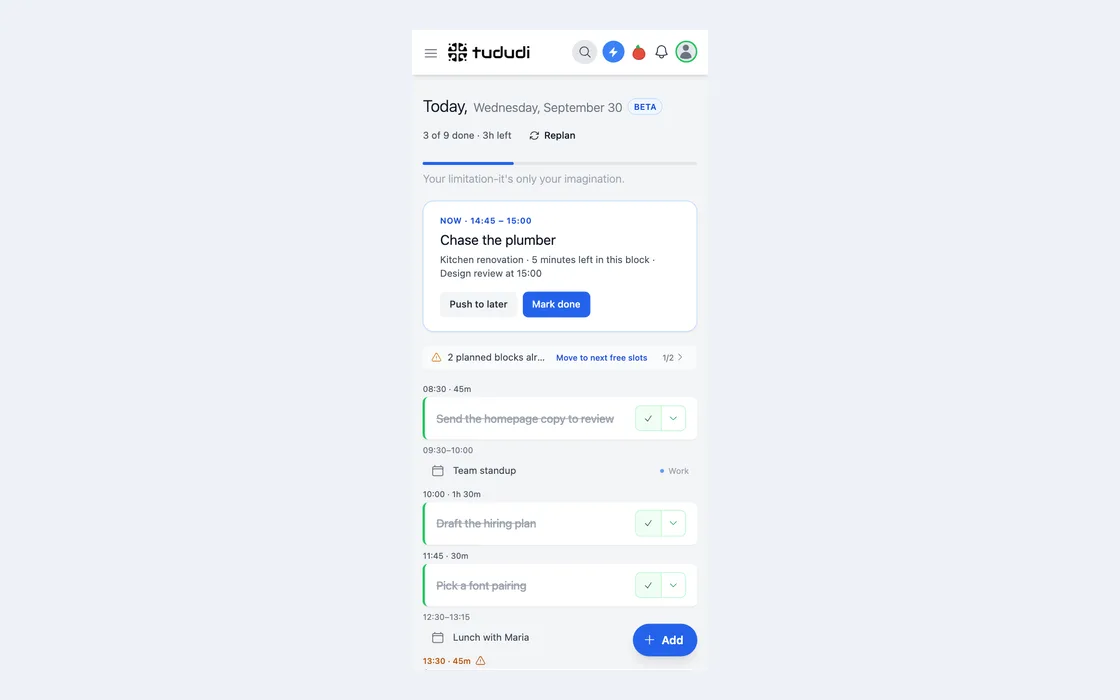
Rozpocznij dzień, a Dziś pokaże tylko to, na co się zdecydowałeś: bieżący blok, potem agendę, ze spotkaniami z Google, Apple lub Outlook pomiędzy.
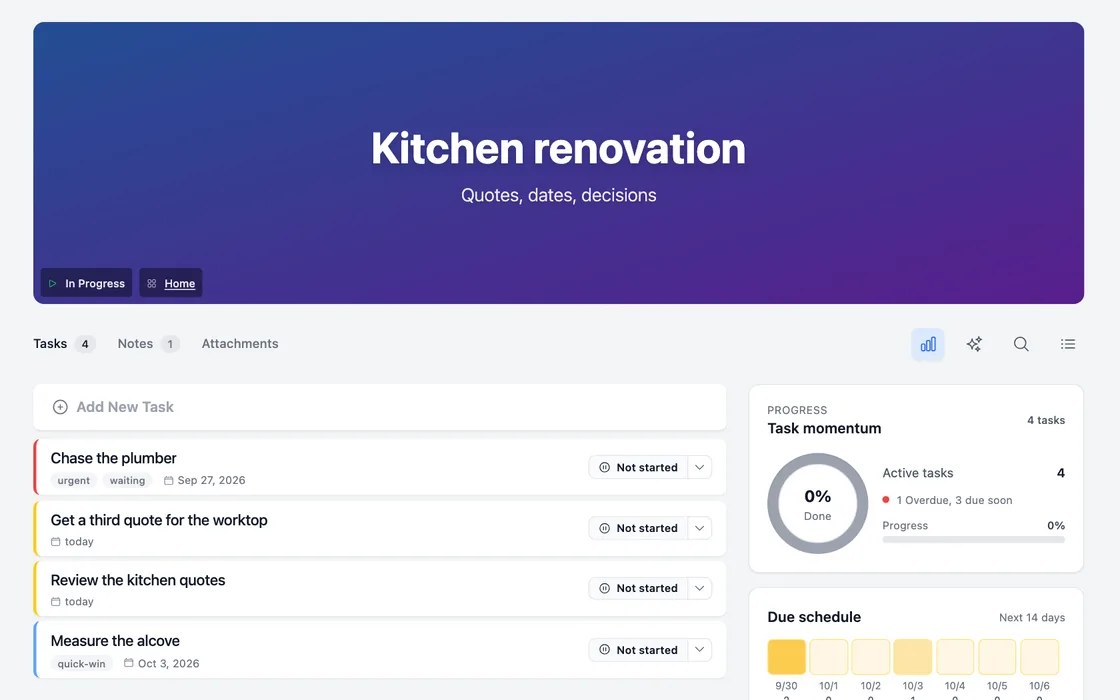
tududi łączy cele, projekty, zadania, notatki i inteligentne widoki w jednym spokojnym, skoncentrowanym systemie. Pozwól nam go prowadzić za Ciebie, albo prowadź go sam, jeśli tak preferujesz.
Dodawaj elementy skrzynki, zadania, notatki lub projekty z dowolnego miejsca, z plikami. Wklejony zrzut ekranu staje się elementem.
Podgląd„tomorrow”, „next fri”, „every weekday”: daty i powtórzenia są odczytywane podczas pisania, razem z #tagami, +Projektem i @osobą.
PodglądPlaner, który umieszcza zadania w wolnym czasie wokół spotkań, z czasem trwania, uporządkowanymi sugestiami i wskazówkami.
PodglądPołącz kalendarze Google, Apple lub Outlook i zobacz spotkania obok zadań, z bieżącym blokiem na górze.
PodglądPrzygotuj szkic dnia z AI, poznaj szacowany czas zadań i podsumowanie dnia, które przenosi niedokończone.
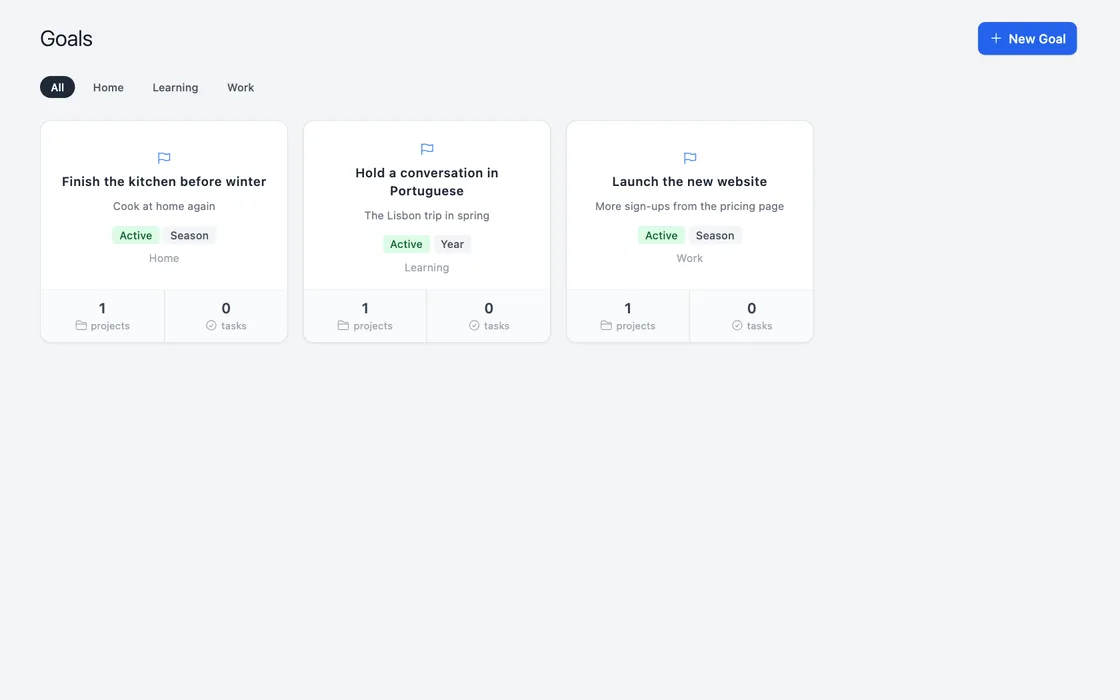
PodglądWyznacz rezultaty na sezon albo rok i zobacz, które Obszary i Projekty naprawdę je posuwają naprzód.
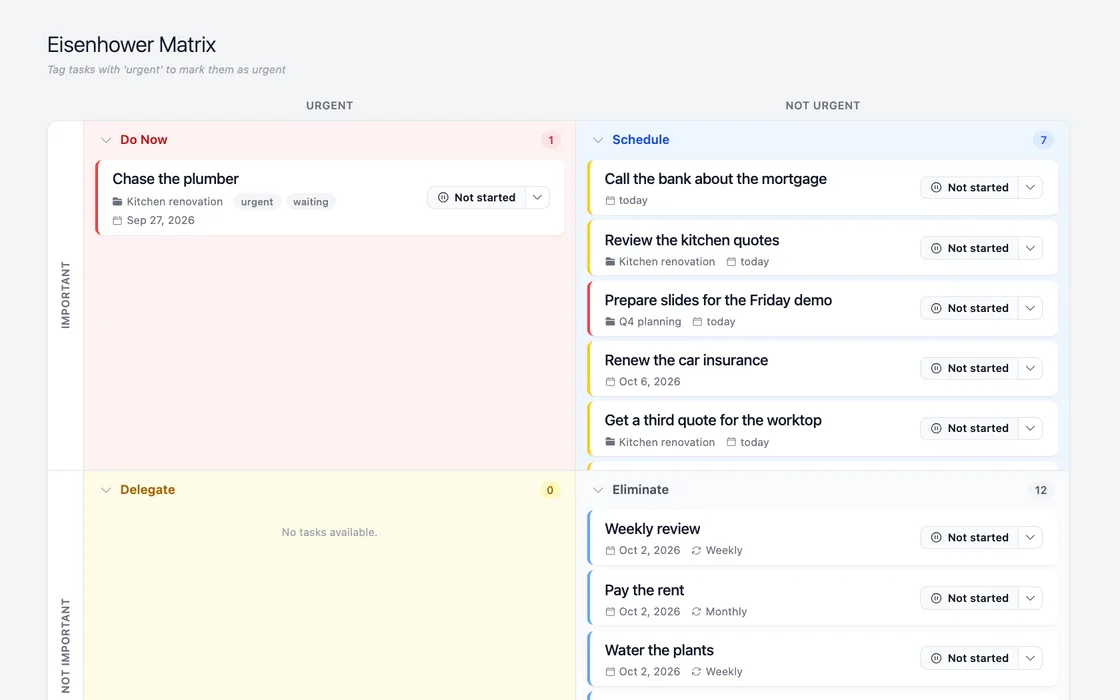
PodglądPrzełącz się na macierz Eisenhowera albo tablicę Kanban, gdy pytanie brzmi po prostu: co robię teraz.
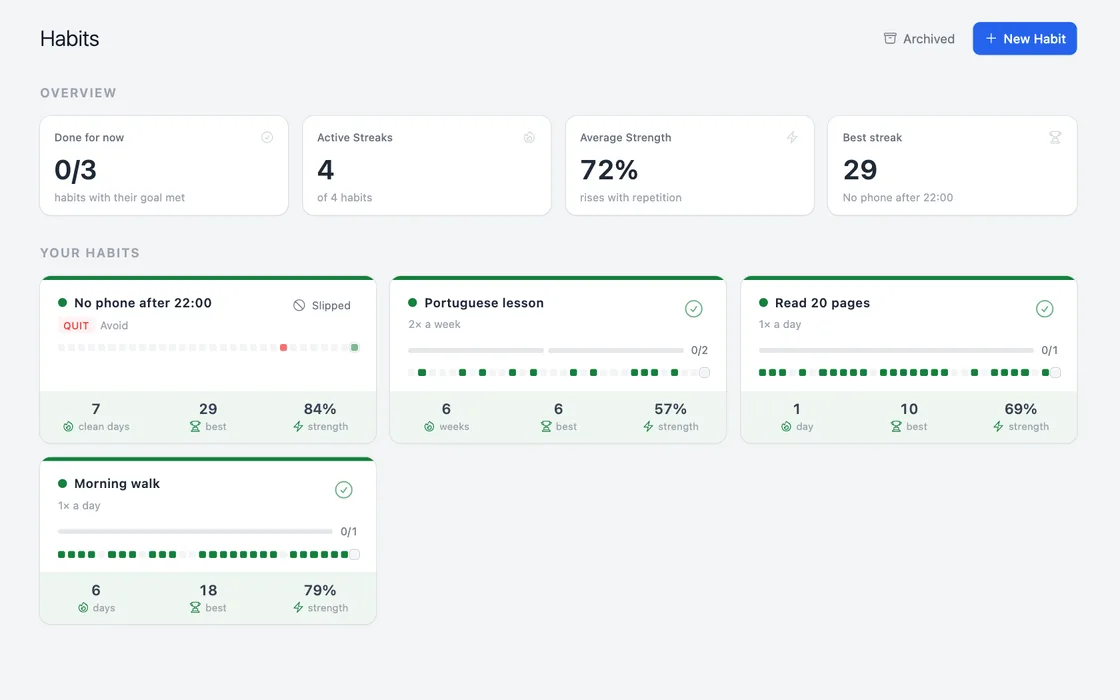
PodglądŚledź powtarzające się nawyki obok zadań i projektów, z prostymi seriami i historią.
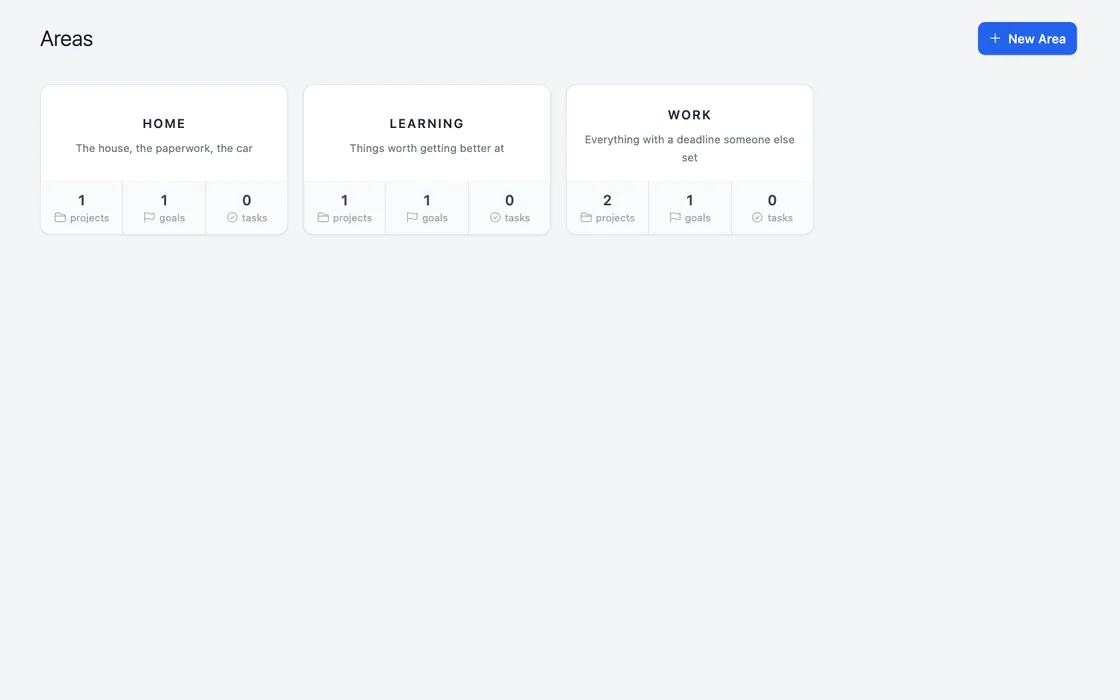
PodglądCele i Obszary stoją obok siebie na szczycie: długofalowe rezultaty i stałe dziedziny życia. Oba zawierają Projekty, a te zawierają Zadania.
PodglądPorządkuj projekty według obszarów życia - Praca, Sprawy osobiste, Zdrowie, Nauka.
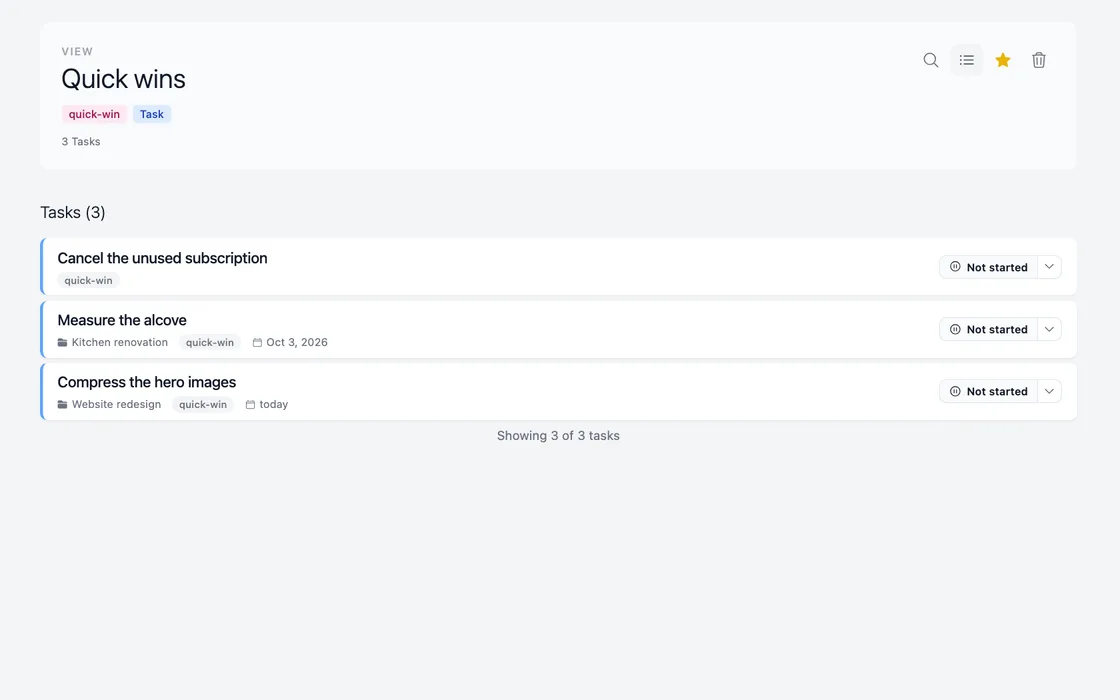
PodglądInteligentne zapisane wyszukiwania, jak „Dziś”, „Po terminie” czy „Kiedyś”. Jedno kliknięcie, bez budowania filtra od nowa za każdym razem.
PodglądŚledź trendy ukończeń i obciążenie w projektach, aby wiedzieć, dokąd naprawdę idzie twój czas.
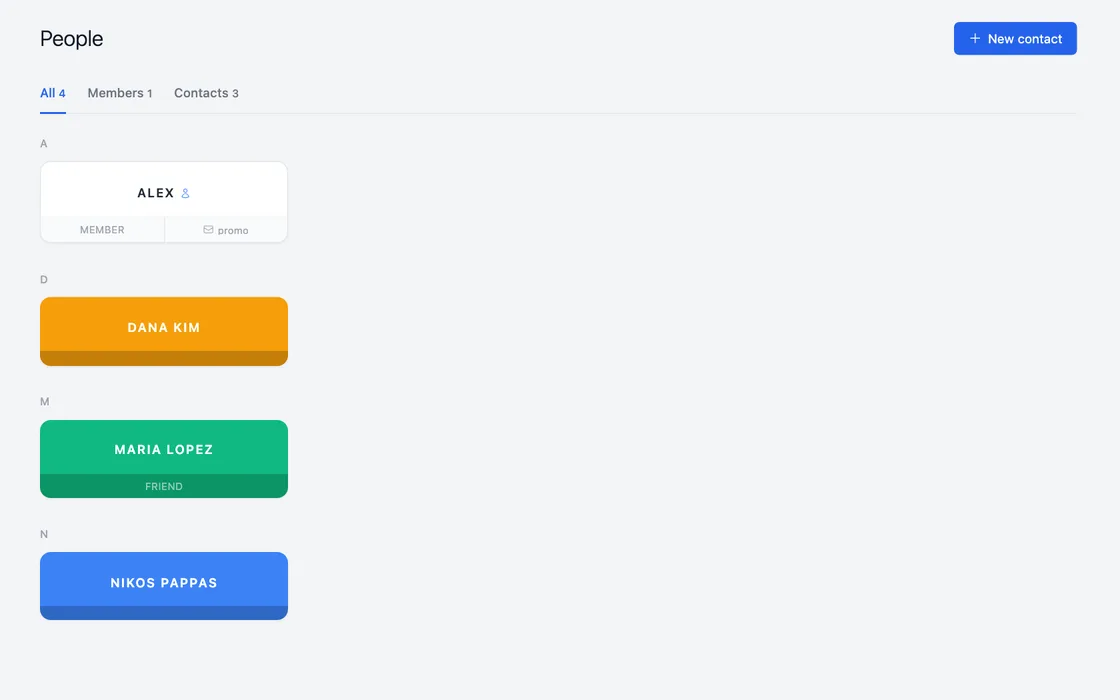
Przypisuj zadania osobom i jednym spojrzeniem sprawdzaj, kto bierze udział w projekcie.
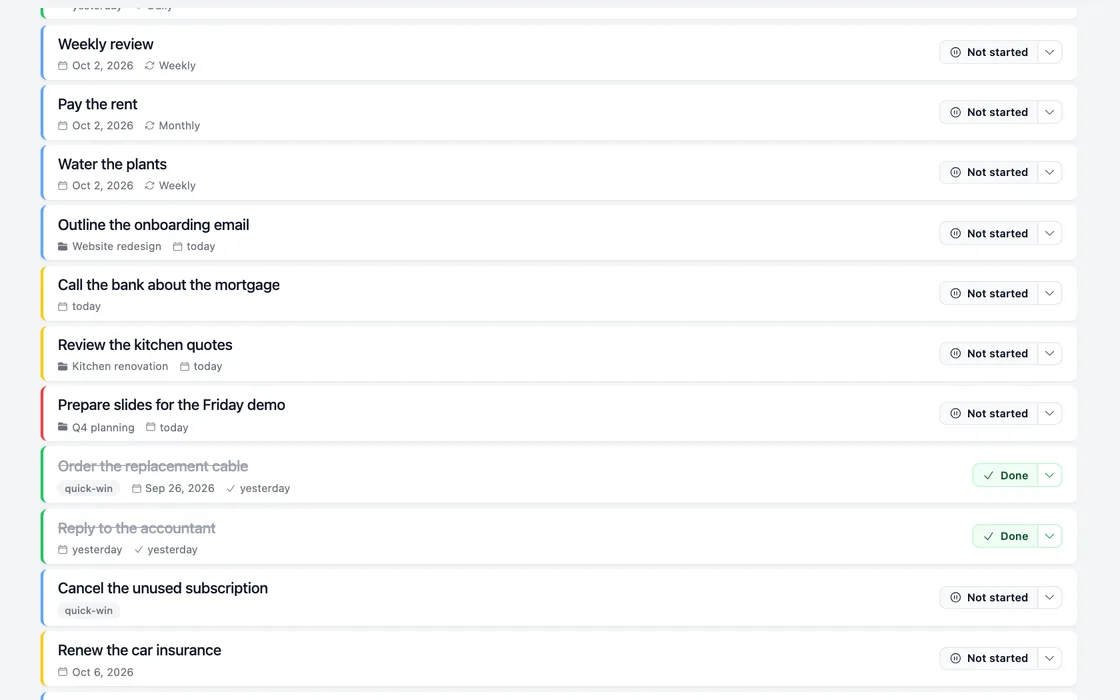
PodglądWzorce dzienne, tygodniowe i miesięczne, z powtarzaniem opartym na ukończeniu oraz relacjami nadrzędne-podrzędne.
Priorytety, terminy, etykiety i inteligentne sortowanie. Mocne filtry, by znaleźć to, co istotne.
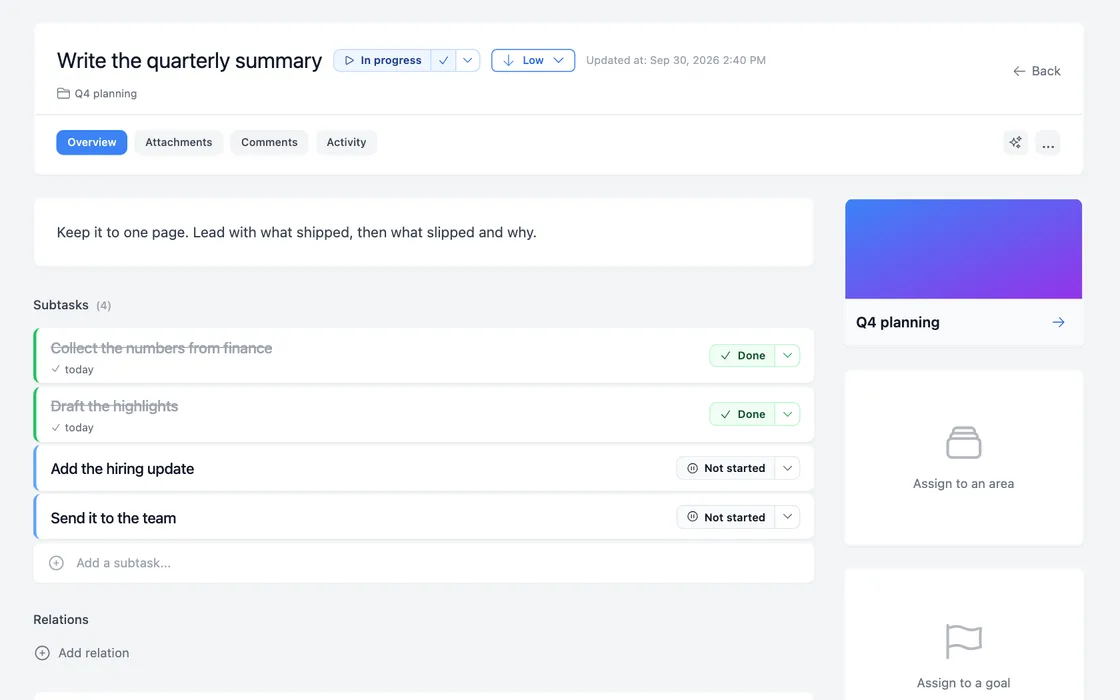
PodglądDziel złożone zadania na wykonalne podzadania, ze śledzeniem postępu.
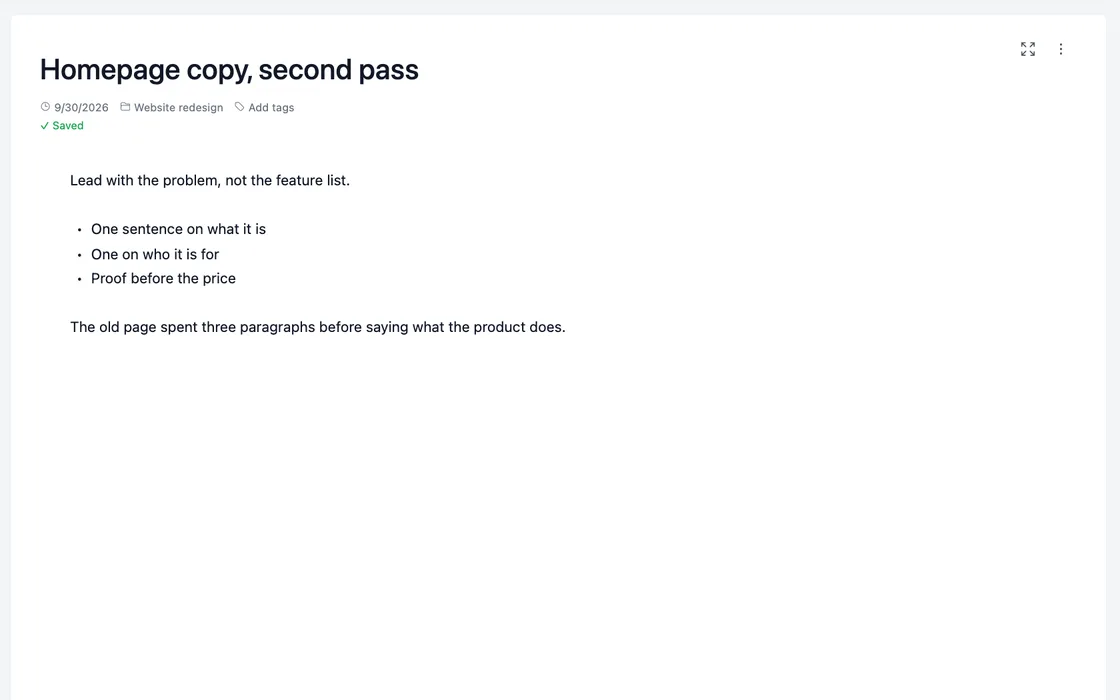
PodglądNotatki z formatowaniem dla projektów, z pełnym wyszukiwaniem i porządkiem.
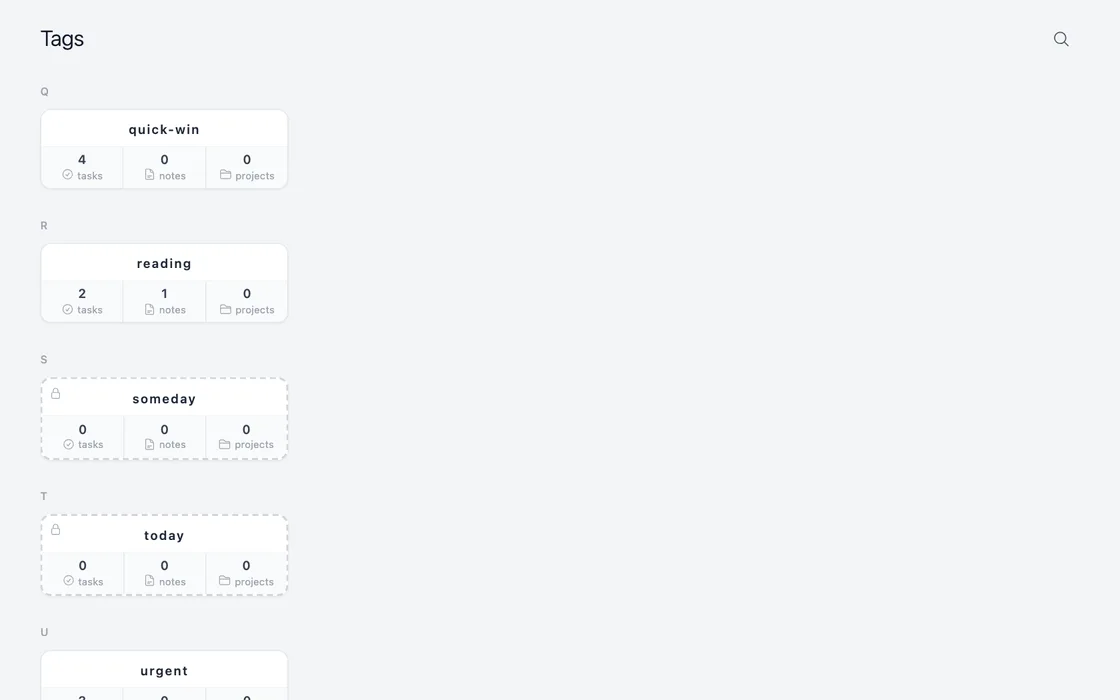
PodglądWłasne etykiety dla zadań i notatek, z natychmiastowym filtrowaniem i porządkiem ponad projektami.
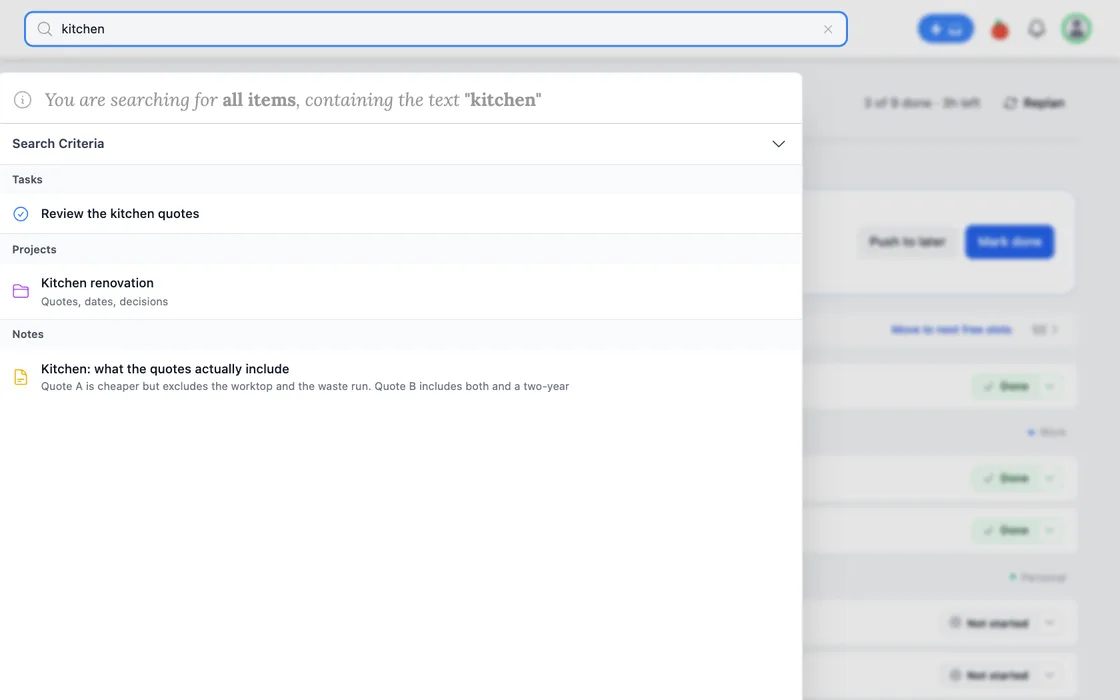
PodglądWyszukiwanie pełnotekstowe oraz filtry według projektu, etykiety, priorytetu lub terminu. Znajdź dowolne zadanie w kilka sekund.
PodglądDodaj tududi do ekranu głównego lub pulpitu jako PWA. Działa offline i synchronizuje się po powrocie do sieci.
PodglądZaloguj się przez swojego dostawcę tożsamości: Authentik, Keycloak, Google Workspace lub dowolnego zgodnego z OIDC.
Dostępne w 26 językach z pełną lokalizacją.
Wyślij wiadomość, aby natychmiast zapisać zadanie, otrzymuj codzienne podsumowania i zarządzaj listą w drodze.
Dwukierunkowa synchronizacja zadań z Apple Przypomnienia, tasks.org, Thunderbirdem i każdą aplikacją zgodną z CalDAV.
Wersjonowana dokumentacja Swagger i osobiste tokeny dostępu do własnych integracji.
Zachowaj swoje dane dla siebie. Hostuj samodzielnie dla pełnej kontroli albo wybierz instancję Zarządzaną z szyfrowanymi kopiami zapasowymi.
Udostępniaj projekty ze szczegółowymi uprawnieniami - tylko do odczytu lub do odczytu i zapisu.
tududi udostępnia serwer MCP z 59 narzędziami, obejmującymi zadania, projekty, obszary, cele, zwyczaje, notatki, osoby, tagi, widoki, skrzynkę odbiorczą, wyszukiwanie i metryki. Połącz Claude lub innego agenta zgodnego z MCP bezpośrednio z Twoją własną instancją, niezależnie czy to Twoje konto Cloud, czy serwer, który prowadzisz sam. Połączenie prowadzi do Twojej instancji, a nie przez pośredniczące przekazywanie, co jest strukturalną różnicą, której Todoist i Notion nie mogą zaoferować, niezależnie od tego, co obiecują.
Na czym powinienem się skupić dziś i czy coś się spóźnia?
Zacznij od Wydania migracji rozliczeń. Termin mija dziś, a za nią czekają trzy zadania w Płatnościach.
Warto wiedzieć
Przenieś przegląd redesignu na piątek i dodaj zadanie odblokowania Płatności.
Zrobione. Przegląd szkicu redesignu ma teraz termin w piątek, a Odblokowanie kolejki Płatności jest w projekcie Płatności, termin dziś.
Przykładowa sesja. Twój agent łączy się bezpośrednio z Twoją instancją przez MCP.
Dodawaj, odnajduj i kończ zadania bez wychodzenia z rozmowy.
Połączenie MCP prowadzi bezpośrednio do Twojej własnej instancji tududi, w Cloud lub na Twoim własnym serwerze. Nic nie przechodzi przez stronę trzecią.
Zbudowany na otwartym Model Context Protocol. Działa z Claude'em i innymi klientami MCP.
Tak samo działa z Cursorem, Windsurfem, Cline'em i każdym innym klientem MCP. Przeczytaj dokumentację MCP →
MCP jest dołączony do tududi Cloud i do każdej instancji hostowanej samodzielnie.
Osobna, opcjonalna warstwa, która czyta twoje dane i odsyła podsumowania zwykłym językiem. Działa z każdym dostawcą zgodnym z OpenAI, także hostowanym u siebie, jak Ollama.
Proponowane kolejne kroki dla konkretnego zadania, generowane na żądanie.
Rozkłada dzień w wolnym czasie wokół spotkań i uzasadnia każdy blok.
Na koniec dnia: co zostało zrobione, wzorzec wart uwagi i co przenieść na jutro.
Szybka ocena kondycji projektu: co się posuwa, a co utknęło.
Co napisali recenzenci po samodzielnym uruchomieniu tududi.
Tududi stands out as a breath of fresh air among over-engineered and often expensive productivity tools.
Tududi is an immensely useful tool, and one that is easy to integrate into day-to-day workflow.
A free, open-source application that allows you to efficiently categorize and track your work, from personal task management to large-scale project management and detailed note-taking.
Jeden hostowany plan, albo prowadź go sam, jeśli woli zajmować się operacjami.
Zrezygnuj w każdej chwili i wyeksportuj wszystko. Gdyby tududi Cloud kiedykolwiek został zamknięty, otrzymasz swoje dane i przewodnik migracji na własny serwer. Do przestrzeni i ruchu API stosuje się zasada fair use. 14-dniowa gwarancja zwrotu pieniędzy, bez pytań.
Jak tududi Cloud wypada na tle aplikacji, z którymi najczęściej jest porównywane, w planach indywidualnych.
Todoist Pro, TickTick Premium i Notion Plus według ich publicznych cenników z września 2026. Aktualne ceny sprawdź na ich stronach. Ich ceny to amerykańskie ceny katalogowe w dolarach.
Licencja, AI i co się dzieje z Twoimi danymi. Jeśli czegoś brakuje, zapytaj na Discordzie.
Aplikacja jest open source na licencji MIT, więc możesz prowadzić ją na własnym serwerze bezpłatnie, modyfikować ją i budować na niej bez płacenia komukolwiek. Nie ma limitów miejsc i żadnych zatrzymanych funkcji: wersja samodzielnie hostowana to cały produkt. tududi Cloud to płatna usługa, bo hosting, kopie zapasowe i e-mail kosztują pieniądze w prowadzeniu. Płacisz za pracę operacyjną, nigdy za dostęp do oprogramowania.
Tak, i nie musisz najpierw niczego kupować. Licencja MIT zezwala na użycie komercyjne, także w firmie i w produkcie komercyjnym, bez progu przychodu i bez niczego do zgłoszenia. Jeśli Twój dział finansowy potrzebuje faktury, subskrypcja Cloud jest rozliczana przez naszego dostawcę płatności i taką generuje. Nic na tej stronie nie sprzedaje pozwolenia, bo to pozwolenie już jest Twoje.
Tak. Jest rozwijane głównie przez jednego opiekuna, z wkładem społeczności, i wydania pojawiają się często. Każda wersja jest wypisana na stronie wydań GitHub, połączonej z Historii zmian w menu powyżej, więc możesz sam ocenić tempo, a nie wierzyć nam na słowo. Rozwój odbywa się publicznie: zgłoszenia, publiczny plan rozwoju i Discord, gdzie odpowiada się na pytania.
Aplikacja jest na licencji MIT, a kod źródłowy jest publiczny, więc nie może zostać Tobie odebrana. Każdy może kontynuować jej prowadzenie, i możesz zrobić fork. W tududi Cloud Twoje dane żyją w standardowej bazie danych tududi, a nie w zastrzeżonym formacie, więc jeśli usługa kiedyś zostałaby zamknięta, otrzymałbyś swoje dane i przewodnik przenoszenia ich na własny serwer.
Nie ma darmowego planu, ale każde nowe konto dostaje bezpłatny okres próbny na 14 dni, bez karty. Okres próbny obejmuje wszystko poza asystentem AI, publicznymi linkami do notatek i dodawaniem członków. Jeśli nie wykupisz subskrypcji, konto przez 30 dni będzie tylko do odczytu, abyś mógł wyeksportować dane, a potem zostanie usunięte. Po okresie próbnym Cloud kosztuje €5 miesięcznie lub €50 rocznie za osobę. Darmowy sposób korzystania z tududi to uruchomienie go na własnym serwerze, to ta sama aplikacja.
Płacisz za to, żeby nie prowadzić infrastruktury. tududi Cloud daje Ci ten sam system, przy czym serwer, aktualizacje, kopie zapasowe i e-mail są obsłużone za Ciebie, co jest kłopotliwą, mało efektowną połową samodzielnego hostingu. Cloud to droga, którą rekomendujemy. Samodzielny hosting jest lepszym rozwiązaniem tylko, jeśli już prowadzisz Dockera i reverse proxy i naprawdę chcesz operować stosem.
To zależy, o którą z dwóch warstw pytasz, a różnica ma znaczenie. Serwer MCP działa wewnątrz Twojej własnej instancji: agent taki jak Claude Desktop łączy się bezpośrednio z tą instancją, więc rozmowa toczy się między Twoim agentem a Twoim własnym tududi, a nie przez pośrednika. Asystent AI jest inny. Wywołuje dostawcę zgodnego z OpenAI, więc jeśli skierujesz go na hostowanego dostawcę, treść tych żądań trafia do tego dostawcy. Skieruj go raczej na lokalny model, taki jak Ollama czy LM Studio, i nic nie opuszcza Twojej maszyny. Pozostaje wyłączony, dopóki nie podasz klucza, więc to zawsze Twój wybór, a nie ustawienie domyślne.
MCP to Model Context Protocol, otwarty standard łączący agentów AI z prawdziwymi systemami. tududi udostępnia serwer MCP z 59 narzędziami obejmującymi zadania, projekty, obszary, cele, zwyczaje, notatki, osoby, tagi, widoki, skrzynkę odbiorczą, wyszukiwanie i metryki, aby agent mógł przechwytywać, znajdować, aktualizować i kończyć pracę, a nie tylko o niej mówić. Jest opcjonalny, dołączony do Cloud i do każdej instancji samodzielnie hostowanej, i działa z Claude Desktop, Cursor, Windsurf, Cline lub każdym innym klientem MCP.
Utrzymujemy serwer, aktualizacje i kopie zapasowe. Wypróbuj za darmo przez 14 dni, bez karty.
Od czasu do czasu nowości i aktualizacje produktu. Bez spamu, rezygnacja w każdej chwili.
Przechowujemy Twój adres i datę jego podania wyłącznie po to, by wysyłać nowości i aktualizacje. Nigdy go nie udostępniamy.
Dostępne w 26 językach na całym świecie
Poznaj innych użytkowników tududi, uzyskaj pomoc i bądź na bieżąco