Alles festhalten, den Tag mit KI rund um deinen Kalender planen und Bereiche, Ziele, Projekte, Notizen und Gewohnheiten in einem System. In einer Minute ein Cloud-Konto anlegen.
14 Tage kostenlos, ohne Kreditkarte. Danach monatlich oder jährlich, jederzeit kündbar.
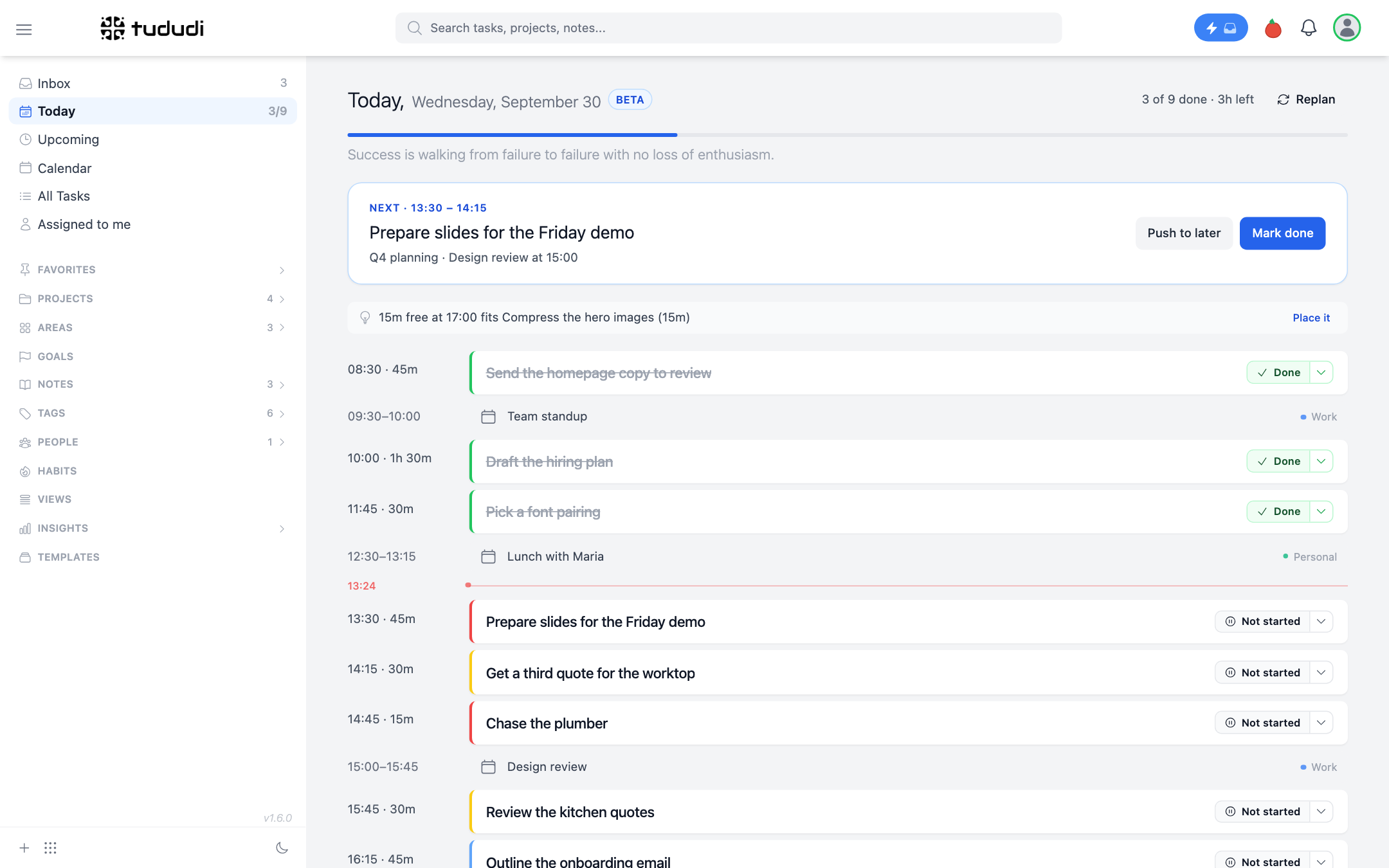
Halte Dinge fest, sobald sie auftauchen, plane den Tag mit KI rund um deine Termine und arbeite ihn Block für Block ab.
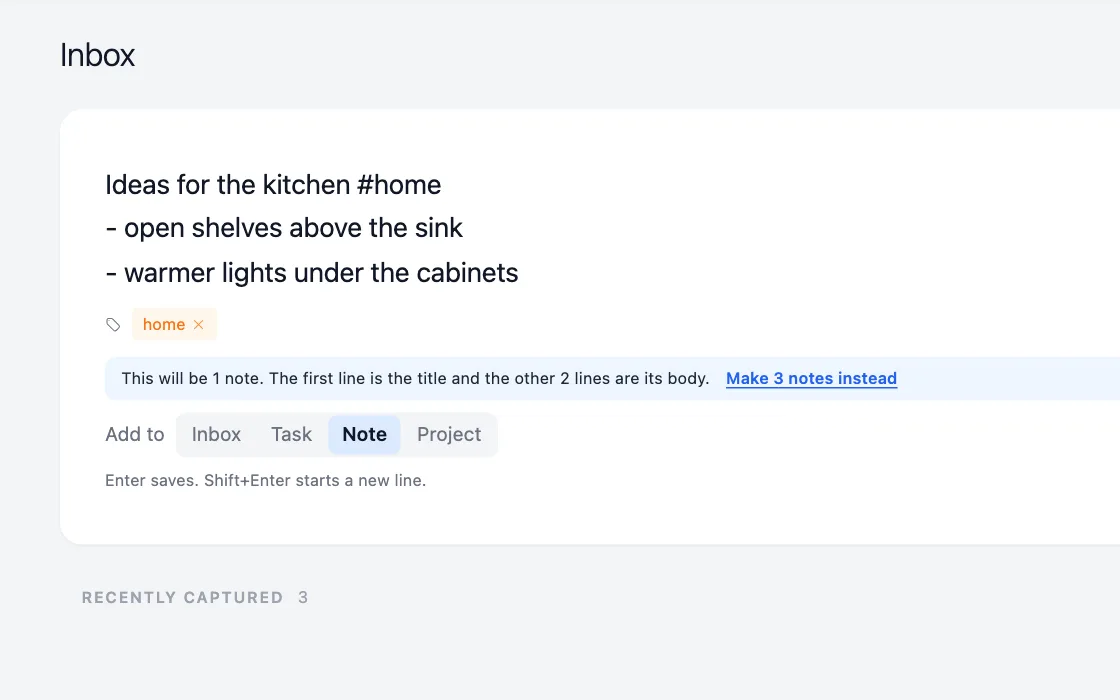
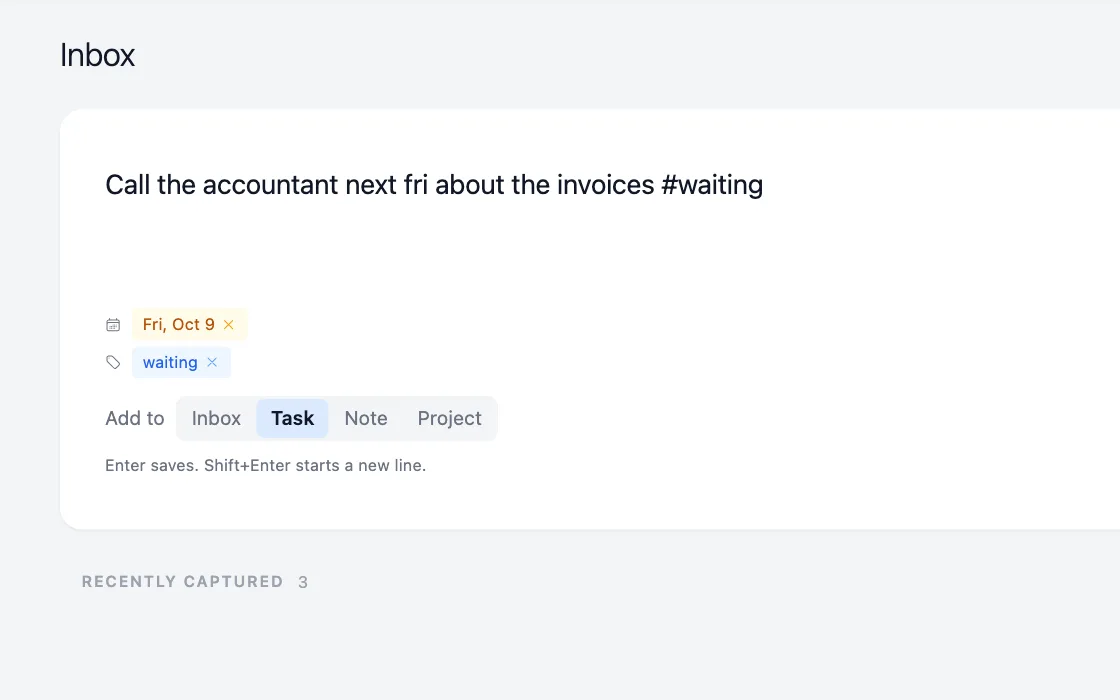
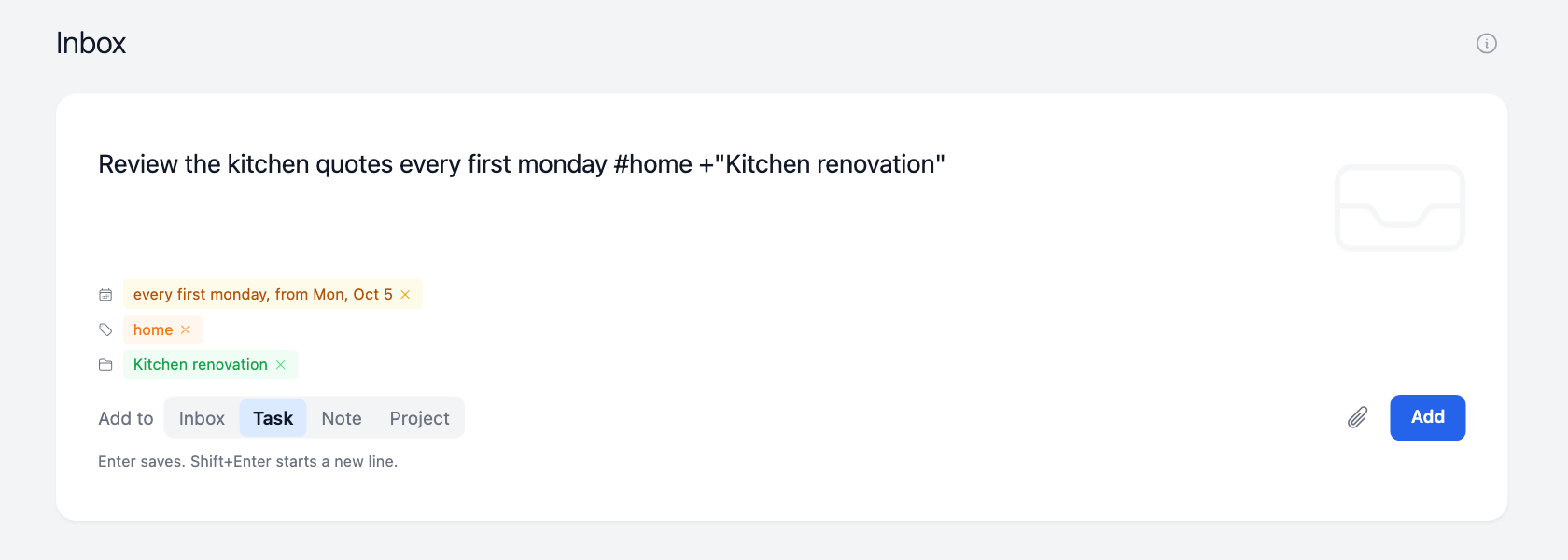
Ein Hinzufügen-Feld für Eingang, Aufgaben, Notizen und Projekte, überall in der App. Schreib, wie du denkst, tududi erledigt den Rest.
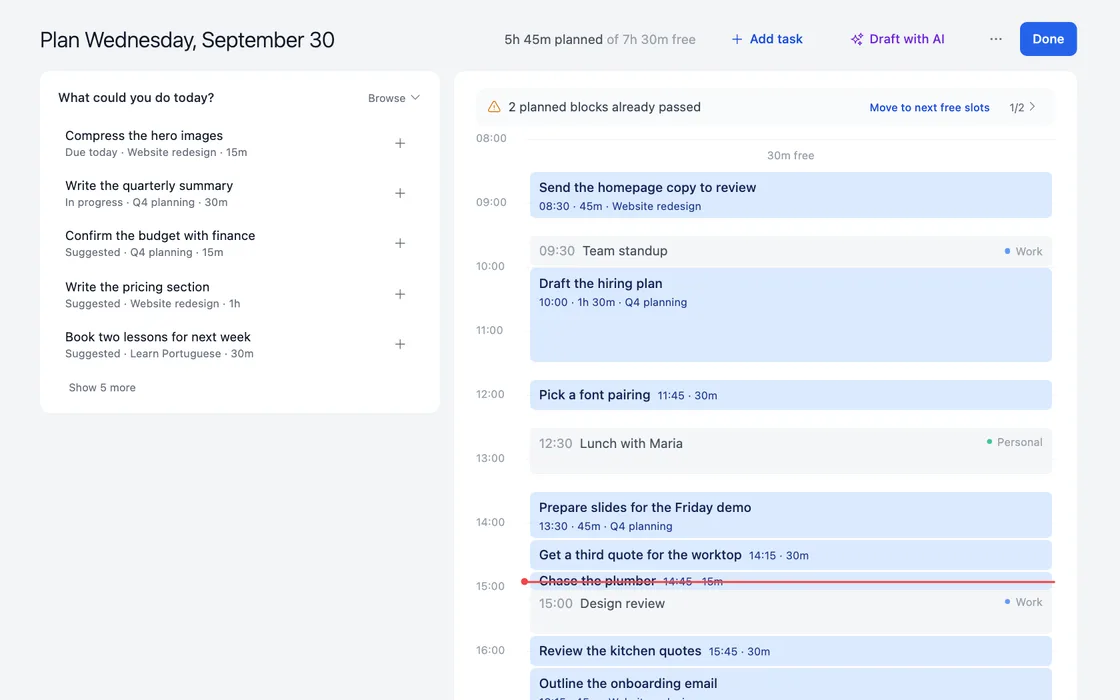
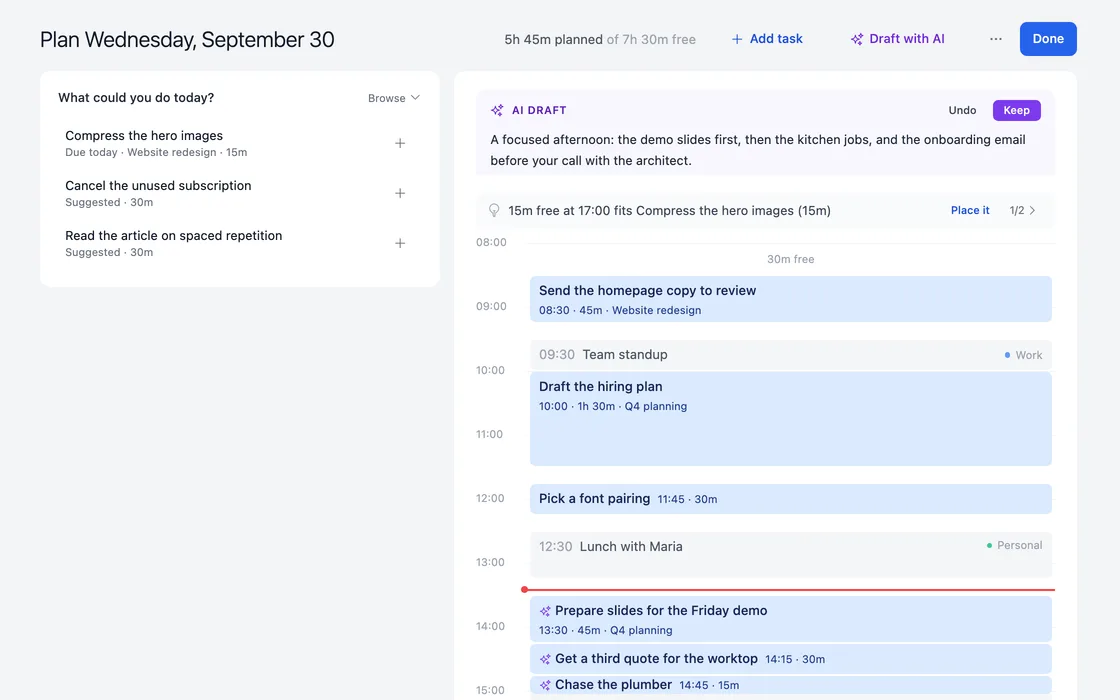
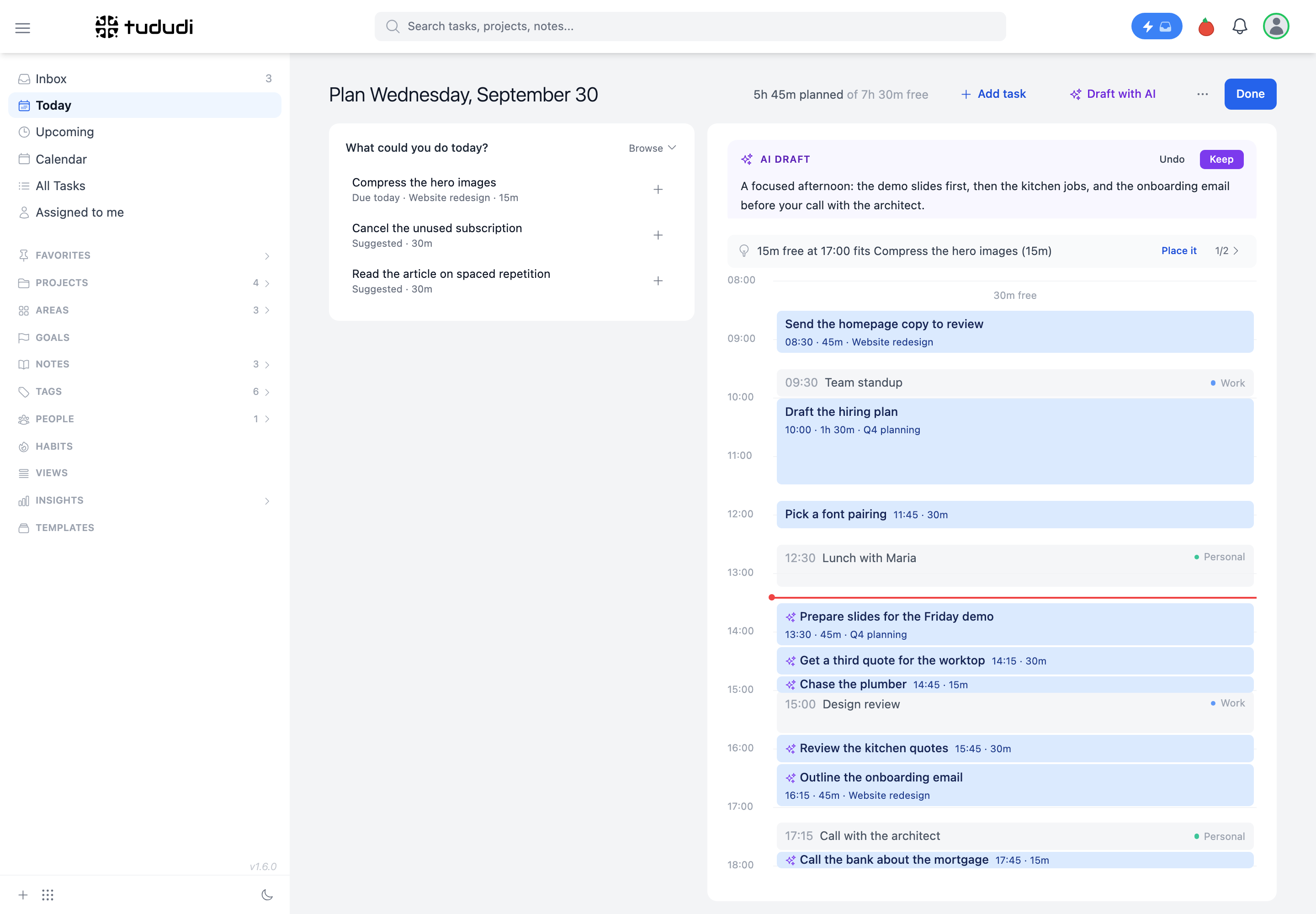
Der Planer zeigt, was heute passen könnte, in deiner Reihenfolge. Gib jeder Aufgabe eine Dauer und leg sie in die freie Zeit zwischen Terminen, oder lass die KI den ganzen Tag entwerfen.
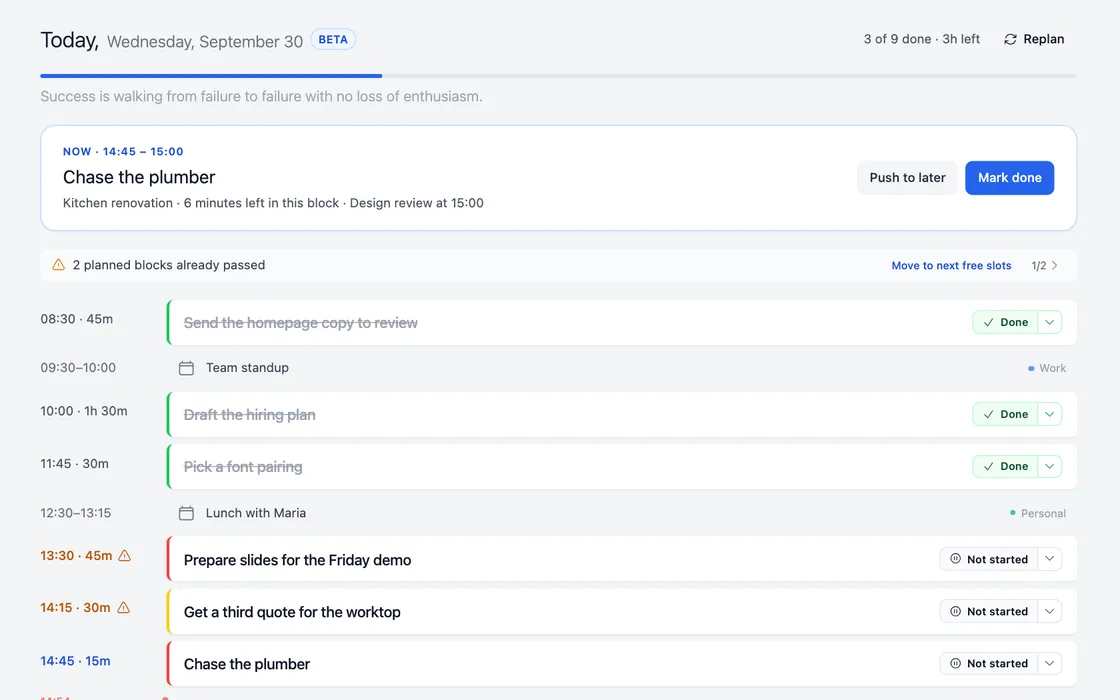
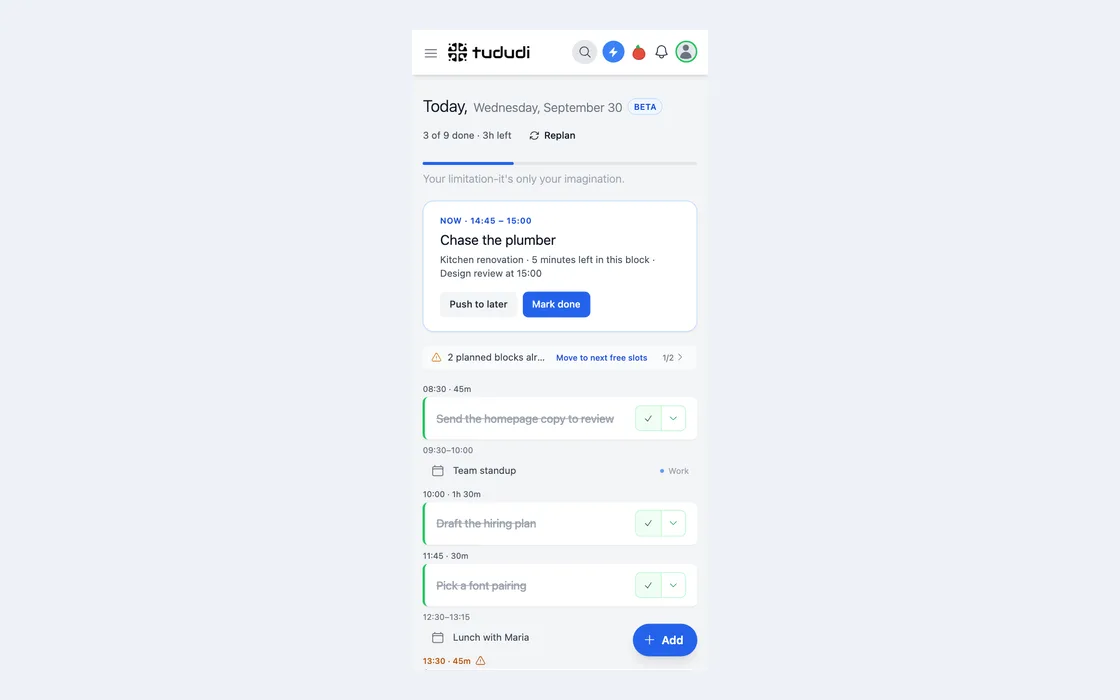
Starte den Tag und Heute zeigt nur, was du dir vorgenommen hast: den aktuellen Block, dann die Agenda, mit deinen Google-, Apple- oder Outlook-Terminen dazwischen.
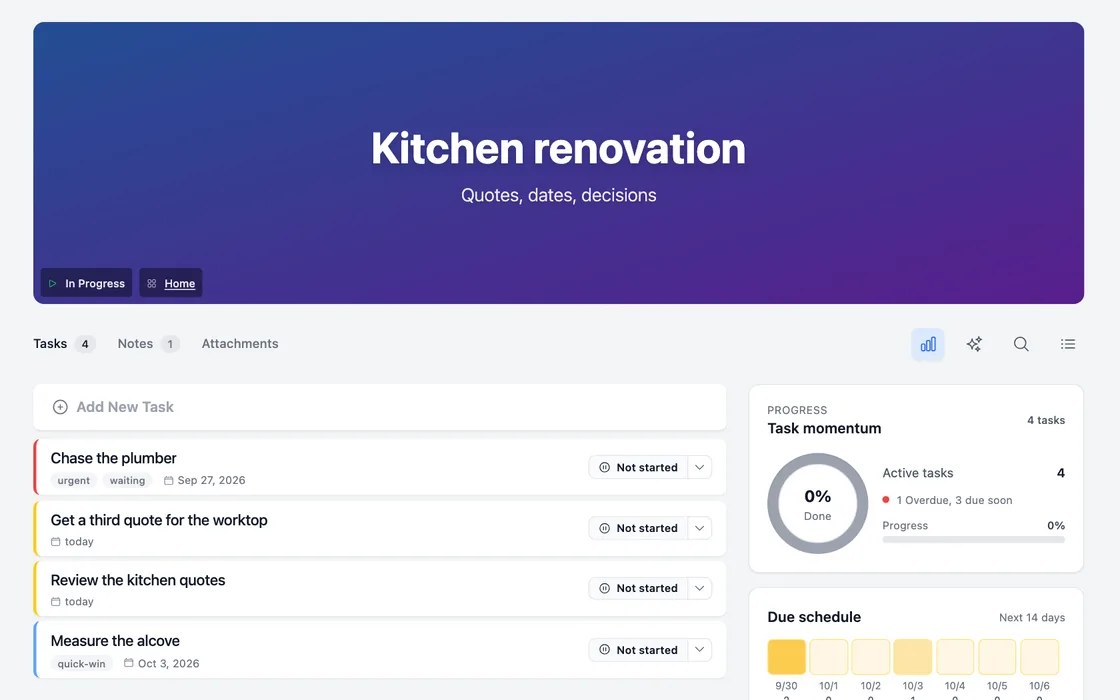
tududi vereint Ziele, Projekte, Aufgaben, Notizen und smarte Ansichten in einem ruhigen, fokussierten System. Lass uns es für dich betreiben, oder betreibe es selbst, wenn du das bevorzugst.
Eingang, Aufgaben, Notizen oder Projekte von überall hinzufügen, mit Dateien. Ein eingefügter Screenshot wird selbst zum Eintrag.
Vorschau„tomorrow“, „next fri“, „every weekday“: Daten und Wiederholungen werden beim Tippen erkannt, dazu #Tags, +Projekt und @Person.
VorschauEin Planer, der Aufgaben in die freie Zeit um deine Termine legt, mit Dauer, sortierten Vorschlägen und Planungstipps.
VorschauVerbinde Google-, Apple- oder Outlook-Kalender und sieh Termine neben deinen Aufgaben, den aktuellen Block oben.
VorschauDen Tag mit KI entwerfen, Dauer für Aufgaben schätzen lassen und ein Tagesabschluss, der Unerledigtes mitnimmt.
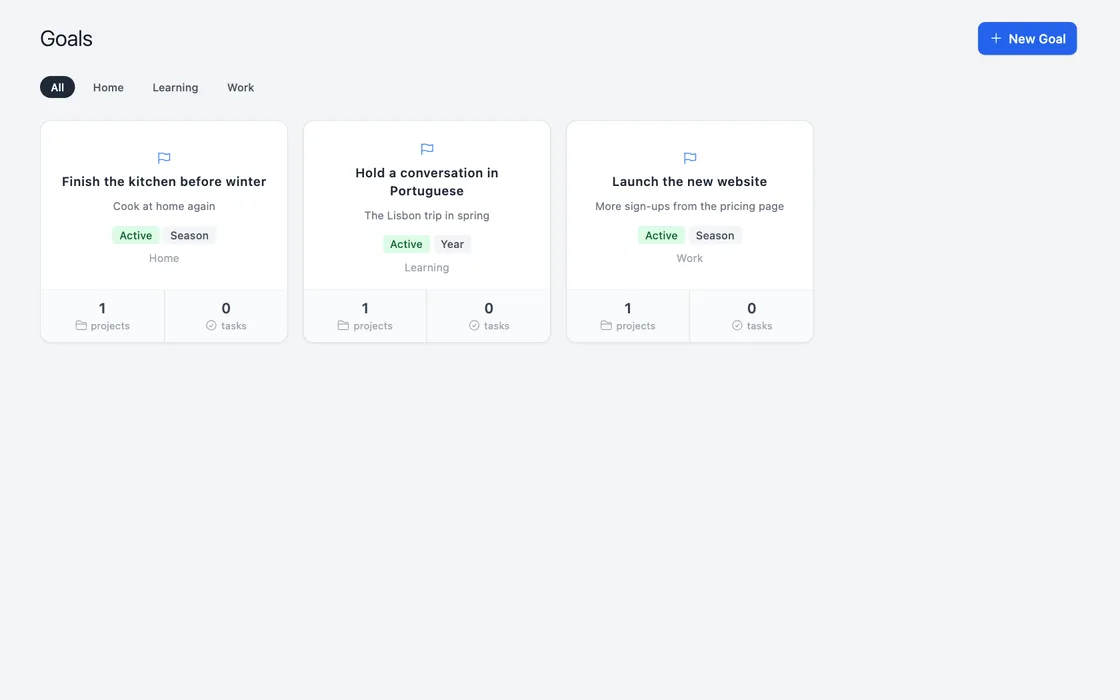
VorschauLege Ergebnisse für eine Saison oder ein Jahr fest und sieh, welche Bereiche und Projekte sie tatsächlich voranbringen.
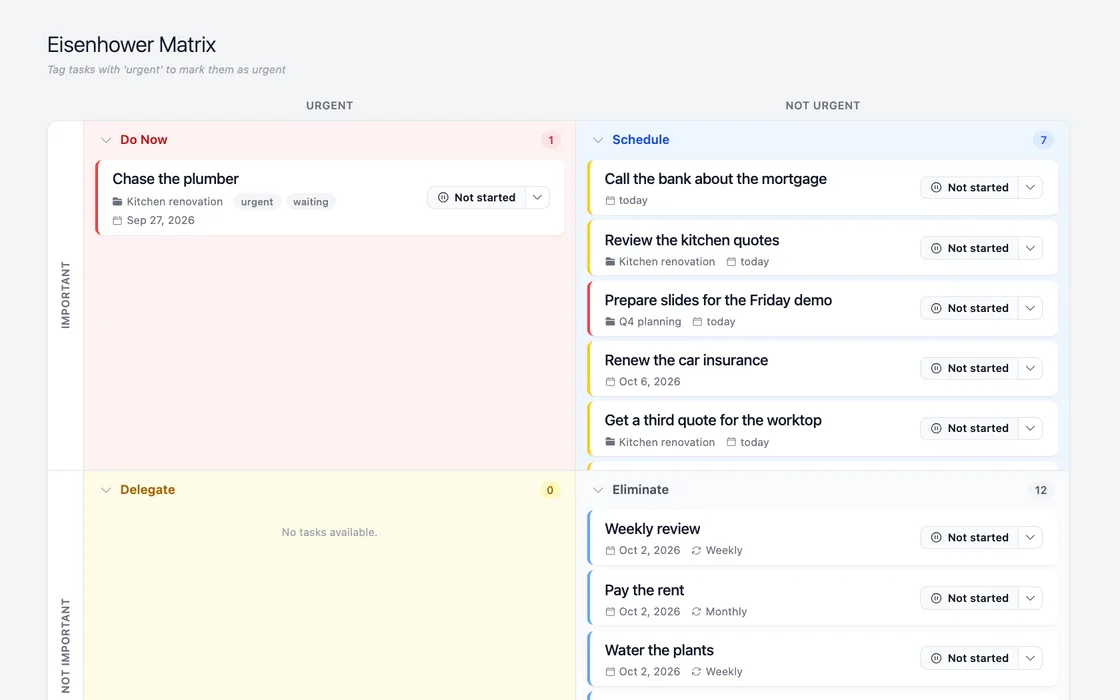
VorschauWechsle zur Eisenhower-Matrix oder zum Kanban-Board, wenn die Frage schlicht lautet: was mache ich jetzt.
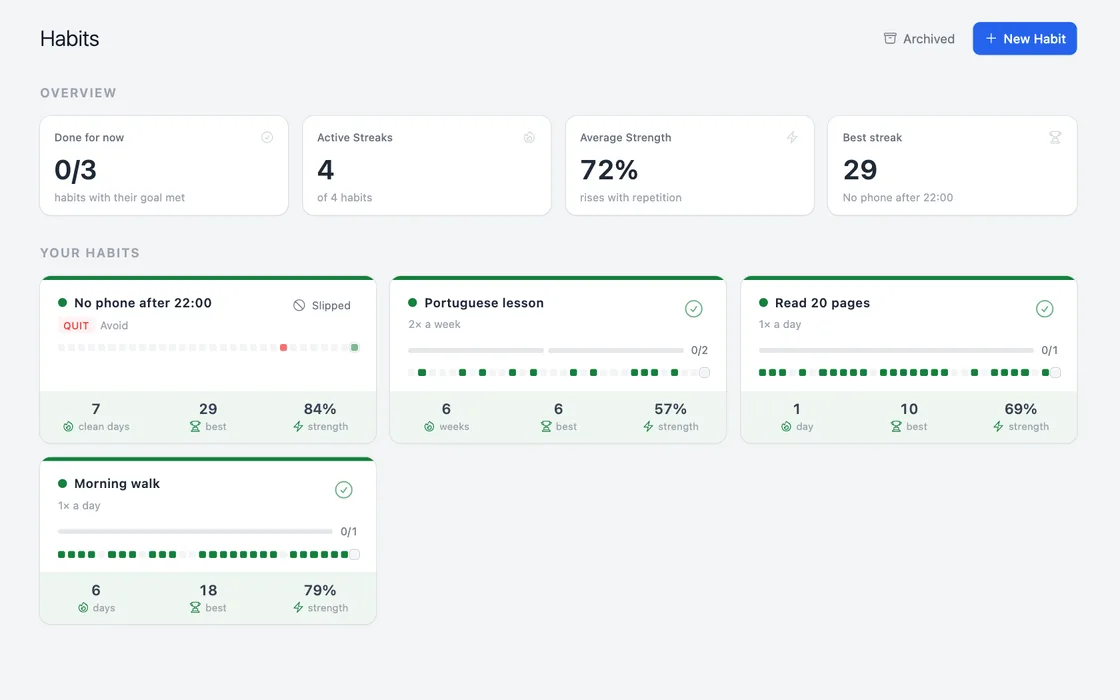
VorschauVerfolge wiederkehrende Gewohnheiten neben Aufgaben und Projekten, mit einfachen Serien und Verlauf.
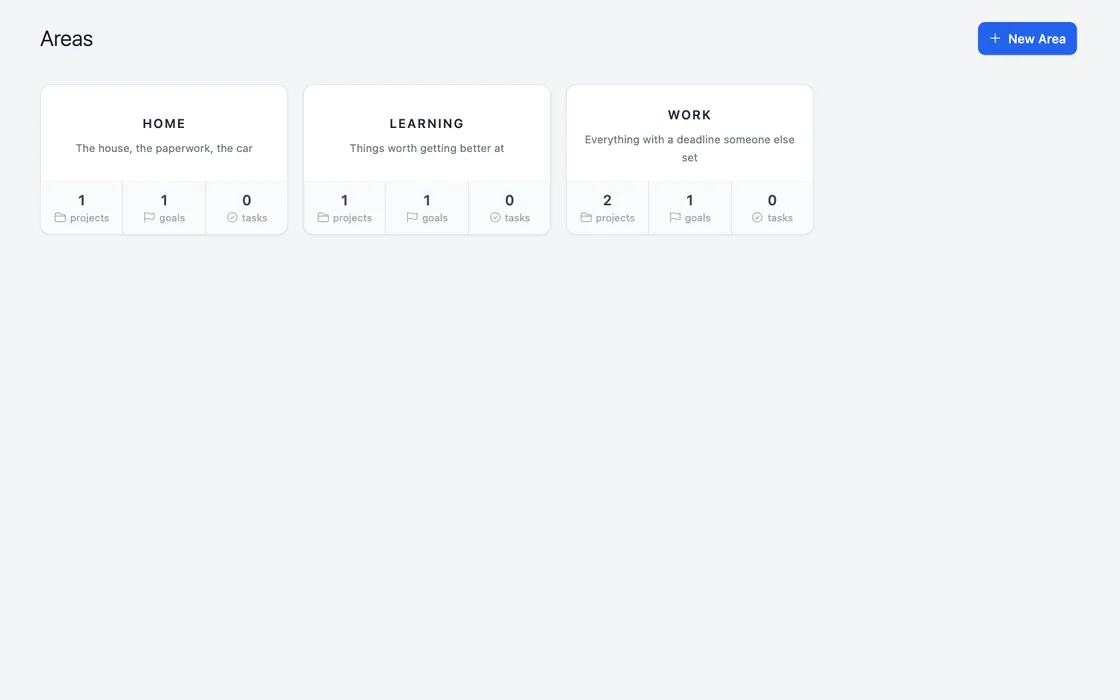
VorschauZiele und Bereiche stehen gleichrangig an der Spitze: langfristige Ergebnisse und dauerhafte Lebensbereiche. Beide enthalten Projekte, und die enthalten Aufgaben.
VorschauOrdne Projekte nach Lebensbereichen - Arbeit, Persönliches, Gesundheit, Lernen.
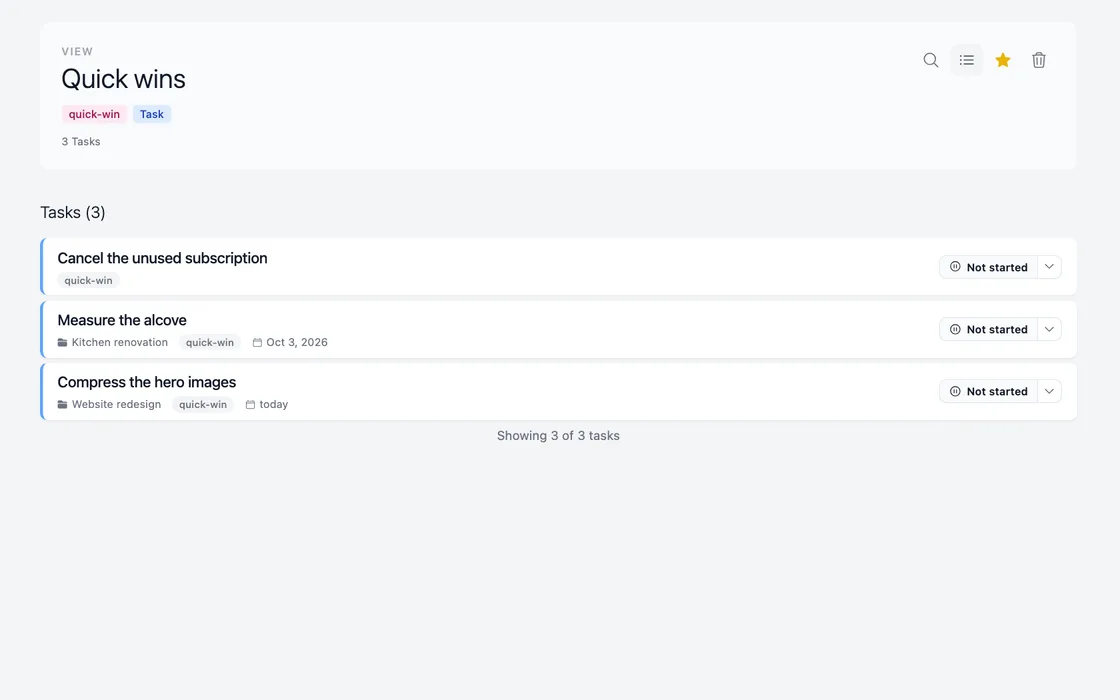
VorschauSmarte gespeicherte Suchen wie „Heute“, „Überfällig“ oder „Irgendwann“. Ein Klick, ohne jedes Mal einen Filter neu zu bauen.
VorschauSieh Abschlusstrends und Auslastung über alle Projekte hinweg, damit du weißt, wohin deine Zeit wirklich geht.
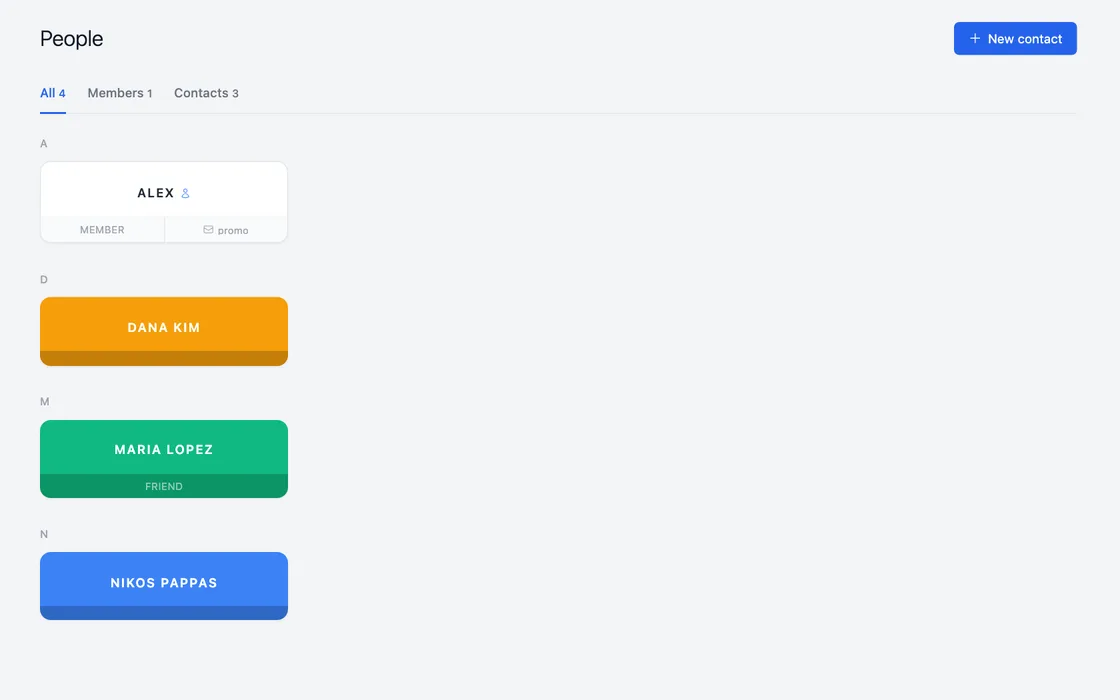
Weise Aufgaben Personen zu und sieh auf einen Blick, wer an einem Projekt beteiligt ist.
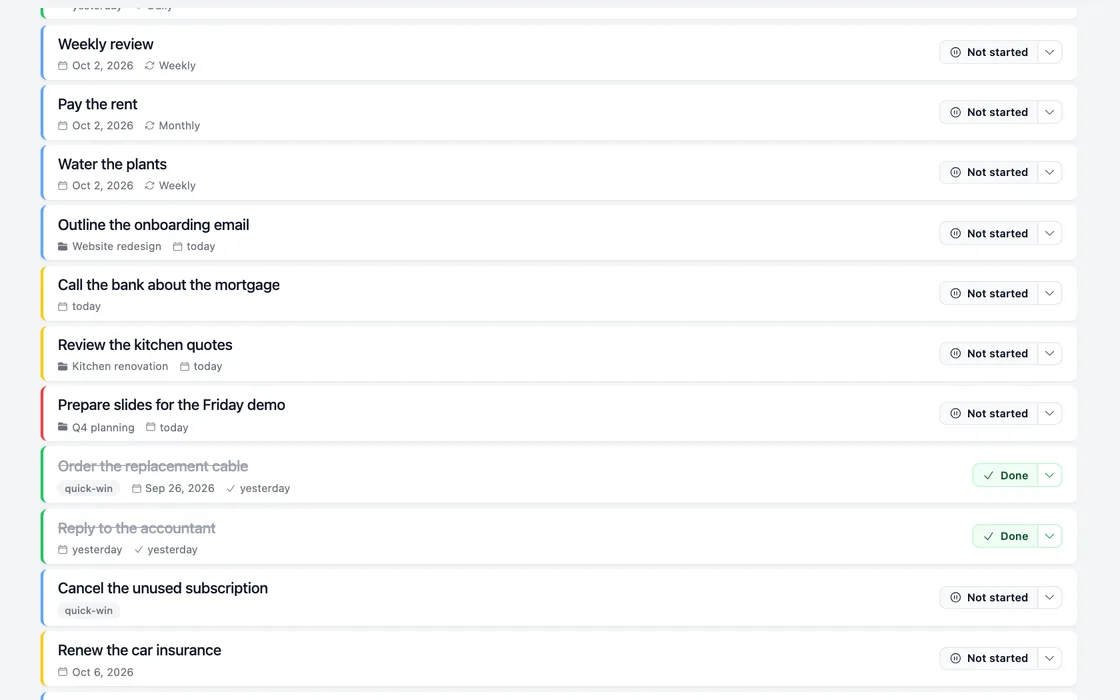
VorschauTägliche, wöchentliche und monatliche Muster mit abschlussbasierter Wiederholung und Eltern-Kind-Beziehungen.
Prioritäten, Fälligkeiten, Tags und smarte Sortierung. Leistungsfähige Filter, um das Wesentliche zu finden.
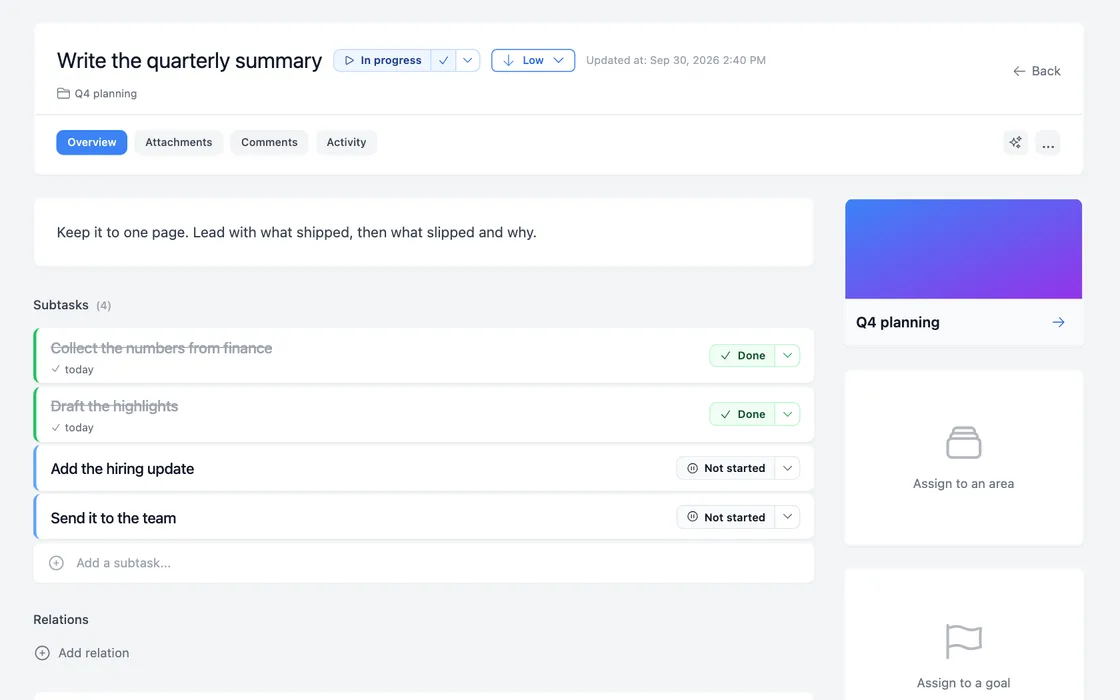
VorschauZerlege komplexe Aufgaben in machbare Teilaufgaben, mit Fortschrittsverfolgung.
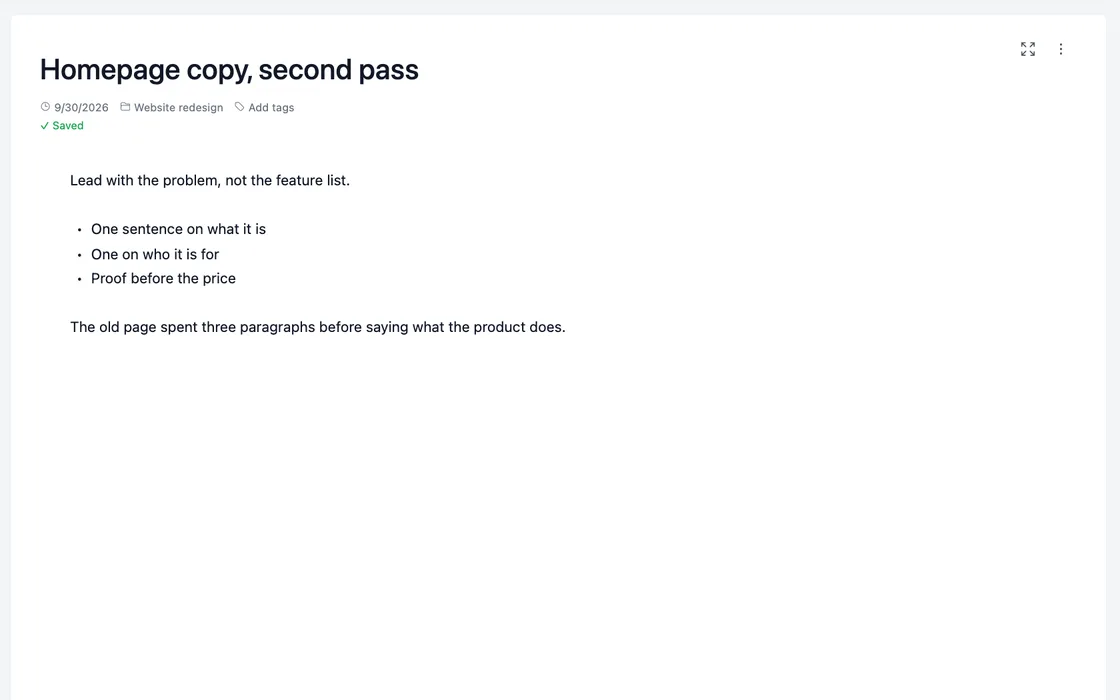
VorschauFormatierte Notizen zu Projekten, mit vollständiger Suche und Ordnung.
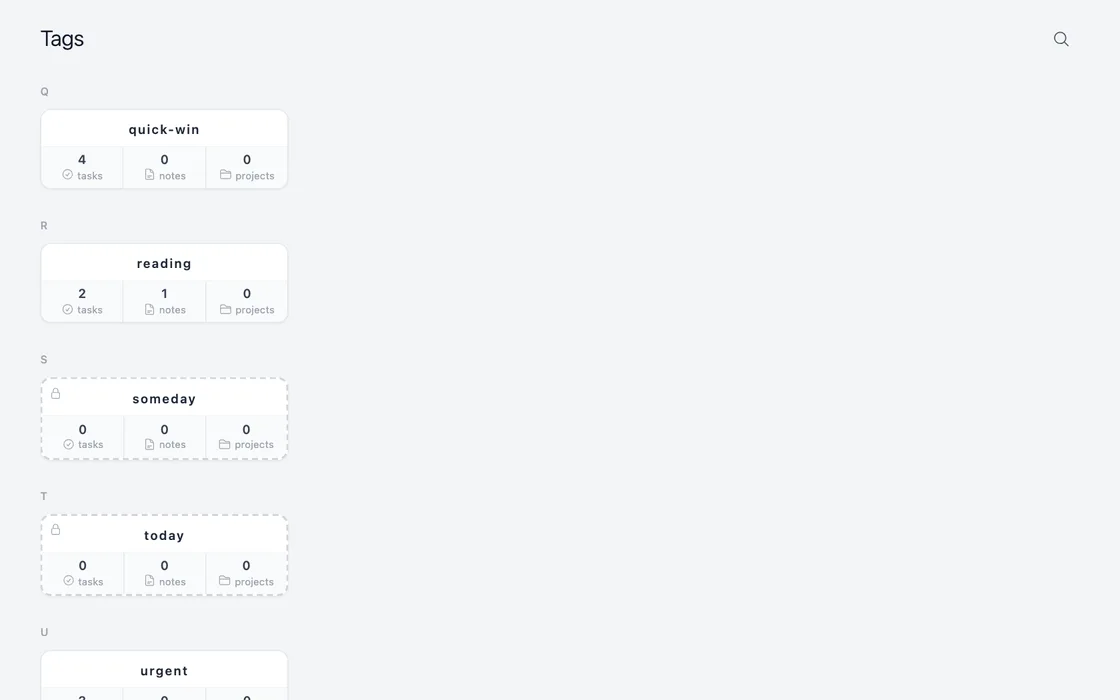
VorschauEigene Tags für Aufgaben und Notizen, mit sofortigem Filtern und projektübergreifender Ordnung.
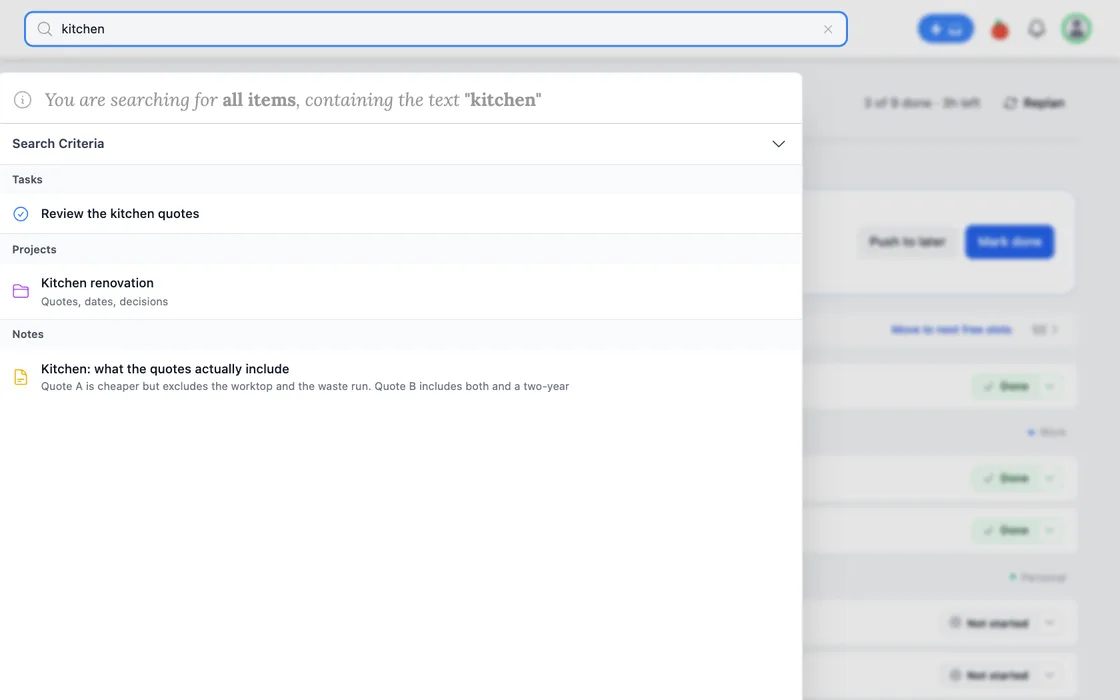
VorschauVolltextsuche plus Filter nach Projekt, Tag, Priorität oder Fälligkeit. Finde jede Aufgabe in Sekunden.
VorschauFüge tududi als PWA zum Homescreen oder Desktop hinzu. Funktioniert offline und synchronisiert, sobald du wieder online bist.
VorschauMelde dich mit deinem bestehenden Identity Provider an: Authentik, Keycloak, Google Workspace oder jedem OIDC-kompatiblen Anbieter.
Verfügbar in 26 Sprachen mit vollständiger Lokalisierung.
Schick eine Nachricht, um Aufgaben sofort zu erfassen, erhalte tägliche Zusammenfassungen und verwalte deine Liste unterwegs.
Bidirektionale Aufgabensynchronisierung mit Apple Erinnerungen, tasks.org, Thunderbird und jeder CalDAV-kompatiblen App.
Versionierte Swagger-Doku und persönliche Zugriffstoken für eigene Integrationen.
Halte deine Daten privat. Selbst hosten für volle Kontrolle, oder eine Managed-Instanz mit verschlüsselten Backups nutzen.
Teile Projekte mit feingranularen Rechten - nur lesen oder lesen und schreiben.
tududi liefert einen MCP-Server mit 59 Tools, die Aufgaben, Projekte, Bereiche, Ziele, Gewohnheiten, Notizen, Personen, Tags, Ansichten, den Posteingang, die Suche und Kennzahlen abdecken. Verbinde Claude oder jeden MCP-kompatiblen Agenten direkt mit deiner eigenen Instanz, ob das nun dein Cloud-Konto ist oder ein Server, den du selbst betreibst. Die Verbindung geht zu deiner Instanz statt über ein Relais dazwischen, ein struktureller Unterschied, den Todoist und Notion nicht bieten können, egal was sie versprechen.
Worauf sollte ich mich heute konzentrieren, und gerät irgendetwas in Verzug?
Beginne mit Billing-Migration veröffentlichen. Sie ist heute fällig, und drei Aufgaben in Zahlungen warten dahinter.
Wissenswert
Verschiebe die Redesign-Prüfung auf Freitag und füge eine Aufgabe hinzu, um Zahlungen freizugeben.
Erledigt. Redesign-Entwurf prüfen ist jetzt bis Freitag fällig, und Payments-Warteschlange freigeben liegt im Projekt Zahlungen und ist heute fällig.
Eine Beispielsitzung. Dein Agent verbindet sich direkt über MCP mit deiner eigenen Instanz.
Aufgaben anlegen, finden und abschließen, ohne das Gespräch zu verlassen.
Die MCP-Verbindung geht direkt zu deiner eigenen tududi-Instanz, in der Cloud oder auf deinem eigenen Server. Nichts läuft über einen Dritten.
Basiert auf dem offenen Model Context Protocol. Funktioniert mit Claude und anderen MCP-Clients.
Genauso funktioniert es mit Cursor, Windsurf, Cline und jedem anderen MCP-Client. MCP-Doku lesen →
MCP ist in tududi Cloud und in jeder selbst gehosteten Instanz enthalten.
Eine separate, optionale Schicht, die deine Daten liest und Zusammenfassungen in verständlicher Sprache zurückschreibt. Funktioniert mit jedem OpenAI-kompatiblen Anbieter, auch selbstgehostet wie Ollama.
Vorgeschlagene nächste Schritte für eine bestimmte Aufgabe, auf Abruf erzeugt.
Plant deinen Tag in die freie Zeit um deine Termine, mit einer Begründung für jeden Block.
Am Ende des Tages: was erledigt ist, ein Muster, das auffällt, und was in den nächsten Tag geht.
Eine schnelle Einschätzung zum Zustand eines Projekts: was läuft, was hängt.
Was Tester geschrieben haben, nachdem sie tududi selbst ausprobiert haben.
Tududi stands out as a breath of fresh air among over-engineered and often expensive productivity tools.
Tududi is an immensely useful tool, and one that is easy to integrate into day-to-day workflow.
A free, open-source application that allows you to efficiently categorize and track your work, from personal task management to large-scale project management and detailed note-taking.
Ein gehosteter Plan, oder betreibe ihn selbst, wenn du den Betrieb lieber übernimmst.
Jederzeit kündbar, alles exportierbar. Sollte tududi Cloud je eingestellt werden, bekommst du deine Daten und eine Anleitung zum Selbsthosten. Für Speicher und API-Volumen gilt Fair Use. 14 Tage Geld-zurück-Garantie, ohne Nachfragen.
So schlägt sich tududi Cloud gegen die Apps, mit denen es meist verglichen wird, jeweils im Einzeltarif.
Todoist Pro, TickTick Premium und Notion Plus, laut ihren öffentlichen Preisseiten im September 2026. Aktuelle Preise auf deren Websites prüfen. Ihre Preise sind US-Listenpreise in Dollar.
Die Lizenz, die KI, und was mit deinen Daten passiert. Fehlt etwas, frag im Discord.
Die Anwendung ist Open Source unter der MIT-Lizenz, du kannst sie also kostenlos auf deinem eigenen Server betreiben, verändern und darauf aufbauen, ohne jemanden zu bezahlen. Es gibt keine Nutzerzahl-Begrenzung und keine zurückgehaltenen Funktionen: Der Self-Hosted-Build ist das komplette Produkt. tududi Cloud ist ein kostenpflichtiger Dienst, weil Hosting, Backups und E-Mail Geld kosten, um sie zu betreiben. Du bezahlst für die Betriebsarbeit, nie für den Zugang zur Software.
Ja, und du musst dafür nichts kaufen. Die MIT-Lizenz erlaubt die kommerzielle Nutzung, auch innerhalb eines Unternehmens und in einem kommerziellen Produkt, ohne Umsatzschwelle und ohne Meldepflicht. Falls deine Buchhaltung eine Rechnung braucht: Ein Cloud-Abo wird über unseren Zahlungsanbieter abgerechnet und erzeugt eine. Nichts auf dieser Seite verkauft eine Erlaubnis, denn diese Erlaubnis gehört dir bereits.
Ja. Es wird hauptsächlich von einem Maintainer entwickelt, mit Beiträgen aus der Community, und es erscheinen häufig Releases. Jede Version steht auf der GitHub-Releases-Seite, verlinkt aus dem Changelog im Menü oben, damit du das Tempo selbst beurteilen kannst, statt uns nur zu vertrauen. Die Entwicklung findet öffentlich statt: Issues, eine öffentliche Roadmap und ein Discord, in dem Fragen beantwortet werden.
Die App ist MIT-lizenziert und der Quellcode ist öffentlich, sie kann dir also nicht entzogen werden. Jeder kann sie weiterbetreiben, und du kannst sie forken. In tududi Cloud liegen deine Daten in einer Standard-tududi-Datenbank statt in einem proprietären Format, sollte der Dienst also je eingestellt werden, bekämst du deine Daten und eine Anleitung, sie auf deinen eigenen Server umzuziehen.
Einen kostenlosen Plan gibt es nicht, aber jedes neue Konto bekommt eine 14-tägige kostenlose Testphase, ohne Kreditkarte. Die Testphase enthält alles außer dem KI-Assistenten, öffentlichen Notiz-Links und dem Hinzufügen von Mitgliedern. Wenn Sie nicht abonnieren, wird das Konto für 30 Tage schreibgeschützt, damit Sie Ihre Daten exportieren können, und danach gelöscht. Nach der Testphase kostet Cloud €5 pro Monat oder €50 pro Jahr und Person. Kostenlos nutzen Sie tududi, indem Sie es auf Ihrem eigenen Server betreiben, es ist dieselbe Anwendung.
Du bezahlst dafür, keine Infrastruktur zu betreiben. tududi Cloud gibt dir dasselbe System, wobei Server, Updates, Backups und E-Mail für dich erledigt werden, was die mühsame, wenig glamouröse Hälfte des Self-Hostings ist. Cloud ist der Weg, den wir empfehlen. Self-Hosting ist nur dann die bessere Wahl, wenn du bereits Docker und einen Reverse Proxy betreibst und den Stack aktiv betreiben möchtest.
Das hängt davon ab, welche der beiden Ebenen du meinst, und der Unterschied ist wichtig. Der MCP-Server läuft innerhalb deiner eigenen Instanz: Ein Agent wie Claude Desktop verbindet sich direkt mit dieser Instanz, das Gespräch findet also zwischen deinem Agenten und deinem eigenen tududi statt, nicht über einen Vermittler dazwischen. Der KI-Assistent ist anders. Er ruft einen OpenAI-kompatiblen Anbieter auf, wenn du ihn also auf einen gehosteten Anbieter richtest, gehen die Inhalte dieser Anfragen an diesen Anbieter. Richte ihn stattdessen auf ein lokales Modell wie Ollama oder LM Studio, und nichts verlässt deinen Rechner. Er bleibt aus, bis du einen Schlüssel angibst, es ist also immer deine Entscheidung, keine Vorgabe.
MCP ist das Model Context Protocol, ein offener Standard, um KI-Agenten mit echten Systemen zu verbinden. tududi liefert einen MCP-Server mit 59 Tools, die Aufgaben, Projekte, Bereiche, Ziele, Gewohnheiten, Notizen, Personen, Tags, Ansichten, den Posteingang, die Suche und Kennzahlen abdecken, damit ein Agent Arbeit erfassen, finden, aktualisieren und abschließen kann, statt nur darüber zu reden. Es ist optional, ist in Cloud und in jeder selbst gehosteten Instanz enthalten und funktioniert mit Claude Desktop, Cursor, Windsurf, Cline oder jedem anderen MCP-Client.
Wir betreiben den Server, die Updates und die Backups. Testen Sie 14 Tage kostenlos, ohne Karte.
Gelegentliche Produktneuigkeiten und Updates. Kein Spam, jederzeit abbestellbar.
Wir speichern deine Adresse und das Datum, an dem du sie angegeben hast, nur um Neuigkeiten und Updates zu senden. Wir geben sie niemals weiter.
Die tududi-App ist weltweit in 26 Sprachen verfügbar
Tausch dich mit anderen tududi-Nutzern aus, hol dir Hilfe und bleib auf dem Laufenden